- Why AI Chatbots Are Becoming Essential
- Key Features to Look for in AI Chatbots
- Natural Language Understanding
- Multi-Channel Support
- Customization
- Analytics and Insights
- Integration With Other Tools
- Best Must-Have AI Chatbots for Effortless Conversations
- ChatGPT
- Intercom
- Drift
- Zendesk AI
- Tidio
- ManyChat
- How AI Chatbots Improve Customer Experience
- Best Practices for Using AI Chatbots Effectively
- Keep Conversations Simple
- Offer a Human Handoff
- Train It With Real Questions
- Review Performance Regularly
- Match the Brand Voice
- The Future of AI Chatbots
- Final Thoughts
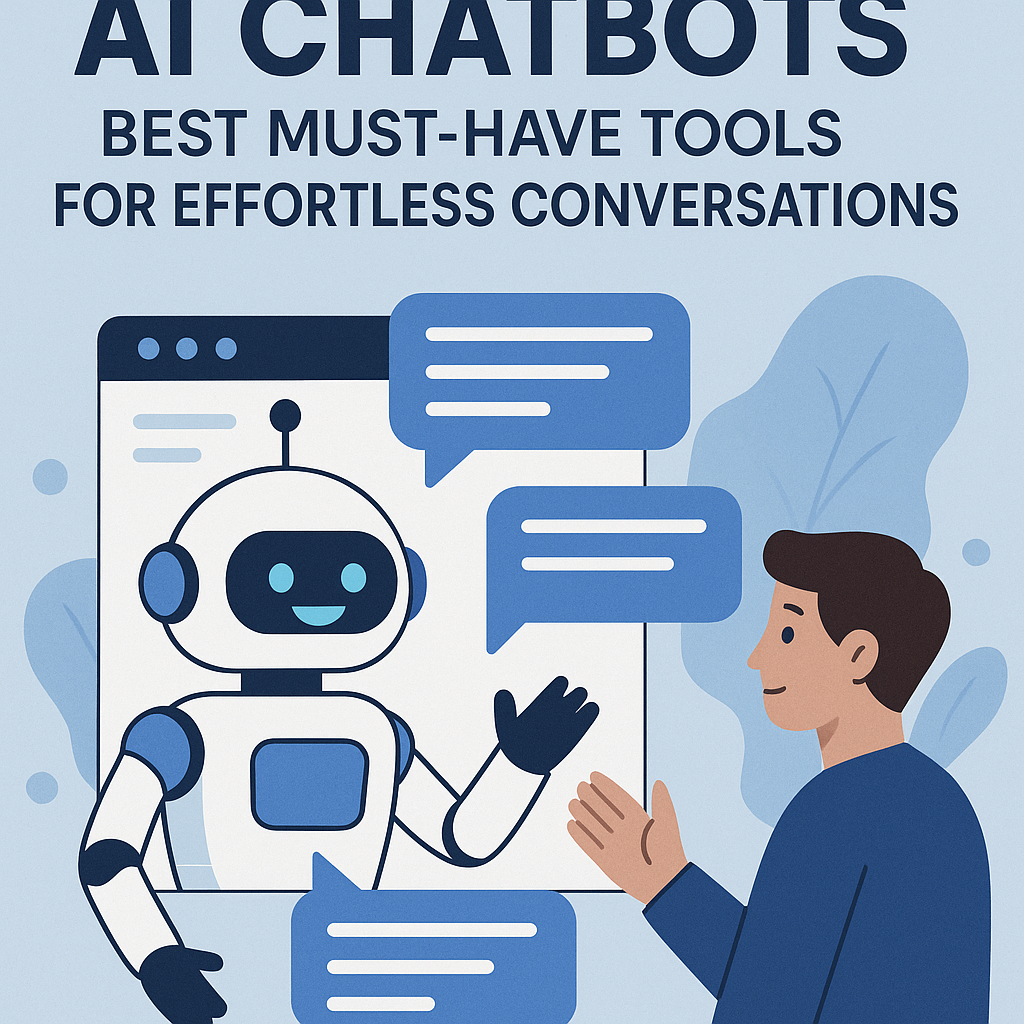
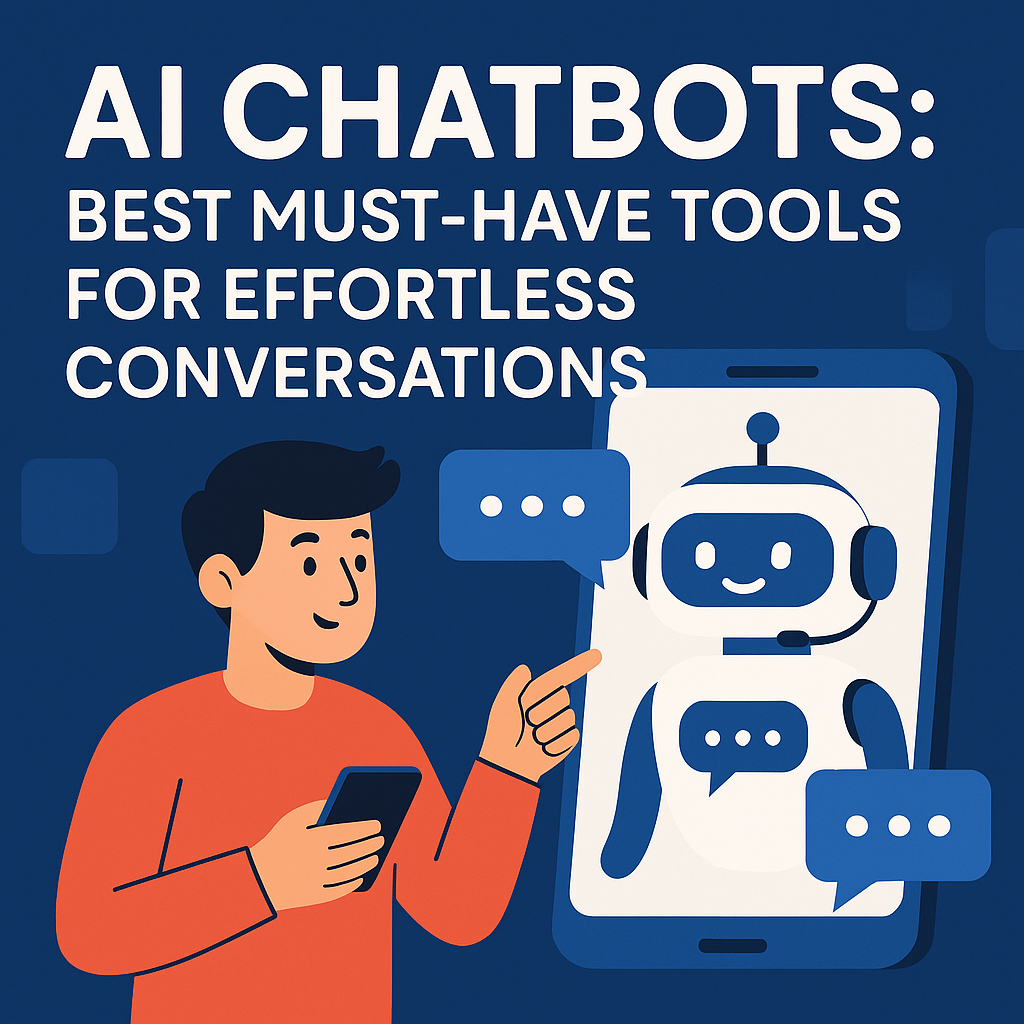
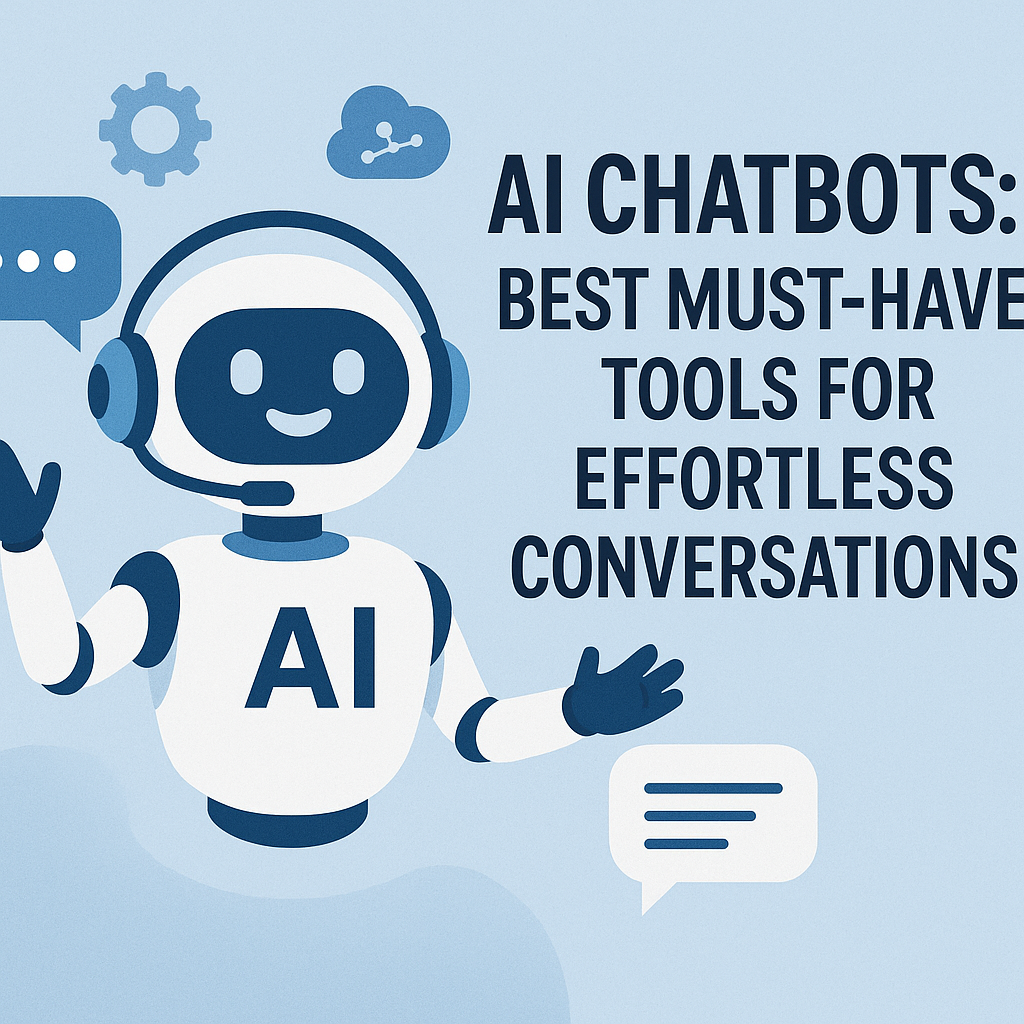
AI Chatbots: Best Must-Have Tools for Effortless Conversations
AI chatbots have quickly become essential tools for businesses, creators, support teams, and everyday users who want faster, smoother, and more intelligent conversations. From answering customer questions in seconds to helping teams automate repetitive tasks, these tools are changing the way people interact online. What once felt like a simple automated reply system has evolved into a powerful technology capable of delivering personalized, responsive, and efficient communication at scale.
Whether you run an online store, manage a service-based business, or just want to improve digital interactions, the right chatbot can save time, reduce workload, and create a better user experience. The key is knowing which tools are worth using and what features truly matter.
Why AI Chatbots Are Becoming Essential
Modern communication moves fast. Customers expect immediate answers, website visitors want guidance without delays, and teams need ways to stay productive without handling every repetitive question manually. This is where chatbot technology shines.
Unlike basic rule-based systems of the past, today’s solutions can understand context, recognize intent, and respond in a more natural, human-like way. That means they can do much more than say “hello” or point users to an FAQ page. They can:
– Handle customer support around the clock
– Qualify leads automatically
– Guide users through purchases
– Schedule appointments
– Provide internal team assistance
– Personalize responses based on user behavior
For businesses, this leads to better efficiency. For users, it creates a smoother, less frustrating experience.
Key Features to Look for in AI Chatbots
Not all chatbot tools offer the same value. Some are built for customer service, while others focus on content generation, sales support, or workflow automation. Before choosing one, it helps to understand the most important features.
Natural Language Understanding
A strong chatbot should be able to interpret questions in different forms, not just respond to exact keywords. This allows conversations to feel more flexible and useful.
Multi-Channel Support
The best tools work across websites, mobile apps, messaging platforms, and social media channels. This helps businesses maintain a consistent presence wherever customers prefer to communicate.
Customization
Every business has its own tone, audience, and goals. A good chatbot should let you tailor responses, workflows, branding, and integrations to suit your needs.
Analytics and Insights
Data matters. Chatbot platforms that offer reporting can help you understand common customer questions, response success rates, and areas where your support process can improve.
Integration With Other Tools
The most effective solutions connect easily with CRM systems, email platforms, help desk software, booking tools, and e-commerce systems. This turns a chatbot into a true productivity asset rather than a standalone tool.
Best Must-Have AI Chatbots for Effortless Conversations
There is no single perfect tool for everyone, but several platforms stand out for their usability, features, and real-world value.
ChatGPT
One of the most widely recognized conversational AI tools, ChatGPT is known for its natural responses, versatility, and broad range of uses. It can assist with customer support drafts, content writing, brainstorming, FAQs, and internal communication workflows. For businesses looking for a flexible AI assistant, it offers strong potential.
Intercom
Intercom is a popular option for customer communication, especially for support and sales teams. Its AI-powered features help businesses answer common questions, route conversations, and support users in real time. It is especially useful for companies that want to combine live chat with automation.
Drift
Drift is designed with sales and marketing in mind. It helps qualify leads, engage website visitors, and move prospects through the funnel more efficiently. If your primary goal is to turn conversations into conversions, this is a tool worth considering.
Zendesk AI
For organizations already focused on customer support, Zendesk AI offers a practical solution. It helps streamline service operations by automating responses, suggesting relevant help content, and assisting support agents. It works well in environments where high ticket volume can overwhelm human teams.
Tidio
Tidio is often favored by small and mid-sized businesses because it combines ease of use with practical features. It supports live chat, automation, and chatbot functions in a way that feels accessible even for teams without advanced technical skills.
ManyChat
ManyChat is especially effective for businesses using platforms like Facebook Messenger and Instagram. It is a strong choice for brands that want to automate social interactions, capture leads, and create guided conversational experiences on social channels.
How AI Chatbots Improve Customer Experience
A major reason these tools have become so valuable is their impact on customer satisfaction. People do not want to wait hours for a simple answer. They want clarity, speed, and convenience.
Chatbots make this possible by offering immediate assistance. If a visitor wants to know shipping times, return policies, pricing details, or product recommendations, a well-trained chatbot can respond almost instantly. This creates a more positive impression and reduces the chances of users leaving in frustration.
They also support consistency. Human agents may vary in tone, timing, or knowledge, but chatbots can deliver accurate and standardized responses every time when properly configured.
Another benefit is availability. Businesses are no longer limited by office hours. A chatbot can assist users late at night, on weekends, and during busy periods when support teams are stretched thin.
Best Practices for Using AI Chatbots Effectively
Having a chatbot is one thing. Using it well is another. To get the most value, businesses should focus on thoughtful implementation rather than simply installing a tool and leaving it unattended.
Keep Conversations Simple
Users want quick help, not long or confusing automated exchanges. Build clear pathways for common questions and avoid unnecessary complexity.
Offer a Human Handoff
Even advanced AI has limits. When issues become sensitive or complicated, the chatbot should transfer the conversation to a real person without creating friction.
Train It With Real Questions
Use actual customer inquiries, support tickets, and website search data to shape chatbot responses. This makes the experience more relevant and accurate.
Review Performance Regularly
Analyze chat logs and user feedback to identify weak spots. Continuous improvement is what turns a basic tool into a highly effective one.
Match the Brand Voice
A chatbot should sound like part of your business, not a disconnected machine. Tone matters, especially in customer-facing communication.
The Future of AI Chatbots
Chatbot technology is still evolving rapidly. As models become more advanced, we can expect better personalization, stronger multilingual support, improved emotional understanding, and more seamless integration with business systems.
In the near future, these tools will likely move beyond simple support roles and become active digital assistants that help users complete tasks, make decisions, and solve problems with minimal effort. For businesses, this means greater scalability. For users, it means more natural and productive interactions.
Final Thoughts
AI chatbots are no longer optional extras for forward-thinking brands. They have become practical, high-impact tools for improving communication, saving time, and creating better user experiences. The right platform can help automate routine interactions while still making conversations feel helpful and personal.
As demand for fast, effortless communication continues to rise, investing in a capable chatbot solution can give businesses a clear advantage. The best approach is to choose a tool that fits your goals, supports your channels, and enhances the way people connect with your brand.