- Why an AI Chatbot for Marketing Matters
- Best Strategies to Use an AI Chatbot for Marketing
- 1. Use It for Lead Generation
- 2. Personalize Product or Service Recommendations
- 3. Support the Customer Journey at Every Stage
- 4. Recover Abandoned Carts
- How to Make Your Chatbot Feel Human and Helpful
- Keep the tone natural
- Set clear expectations
- Offer a human handoff
- Avoid too many steps
- Channels Where Chatbots Can Drive Marketing Growth
- Website
- Social media and messaging apps
- Email campaigns
- Landing pages
- Common Mistakes to Avoid
- Measuring Success
- Final Thoughts
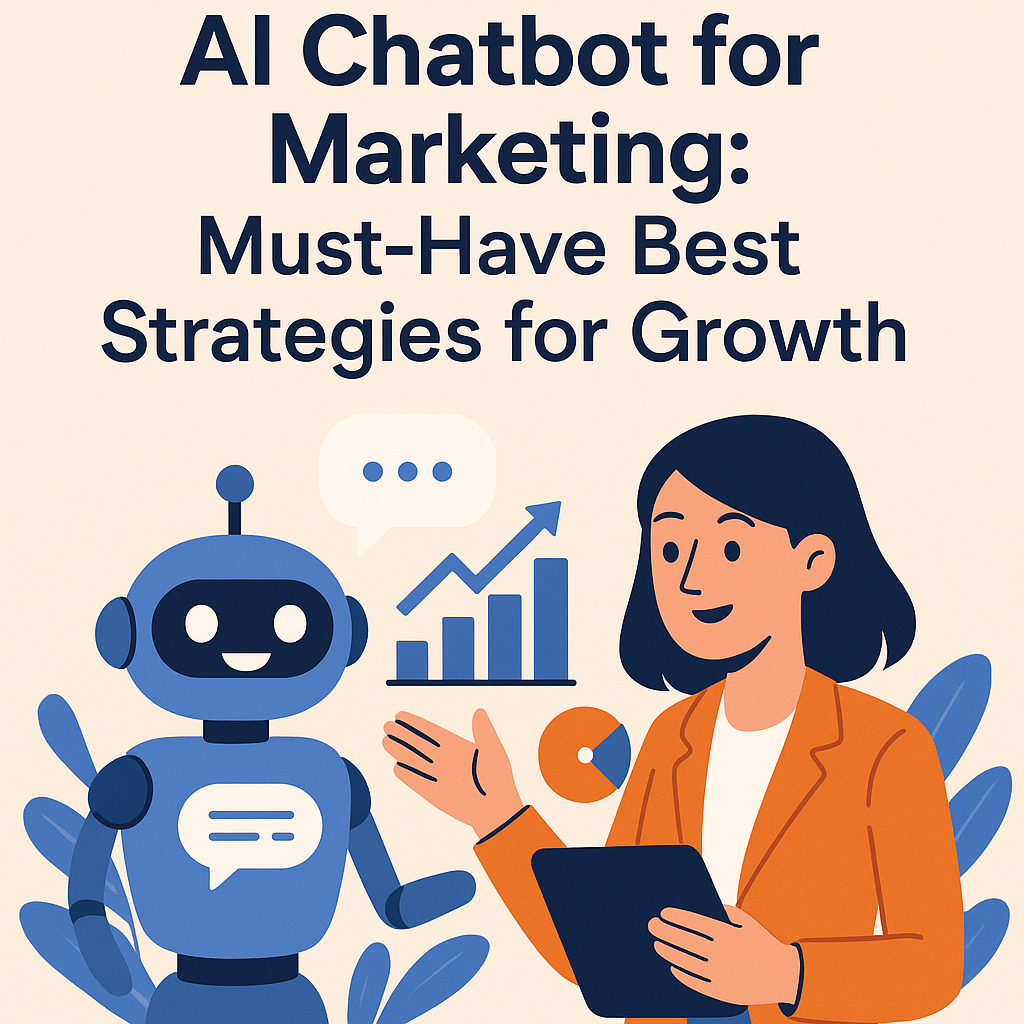
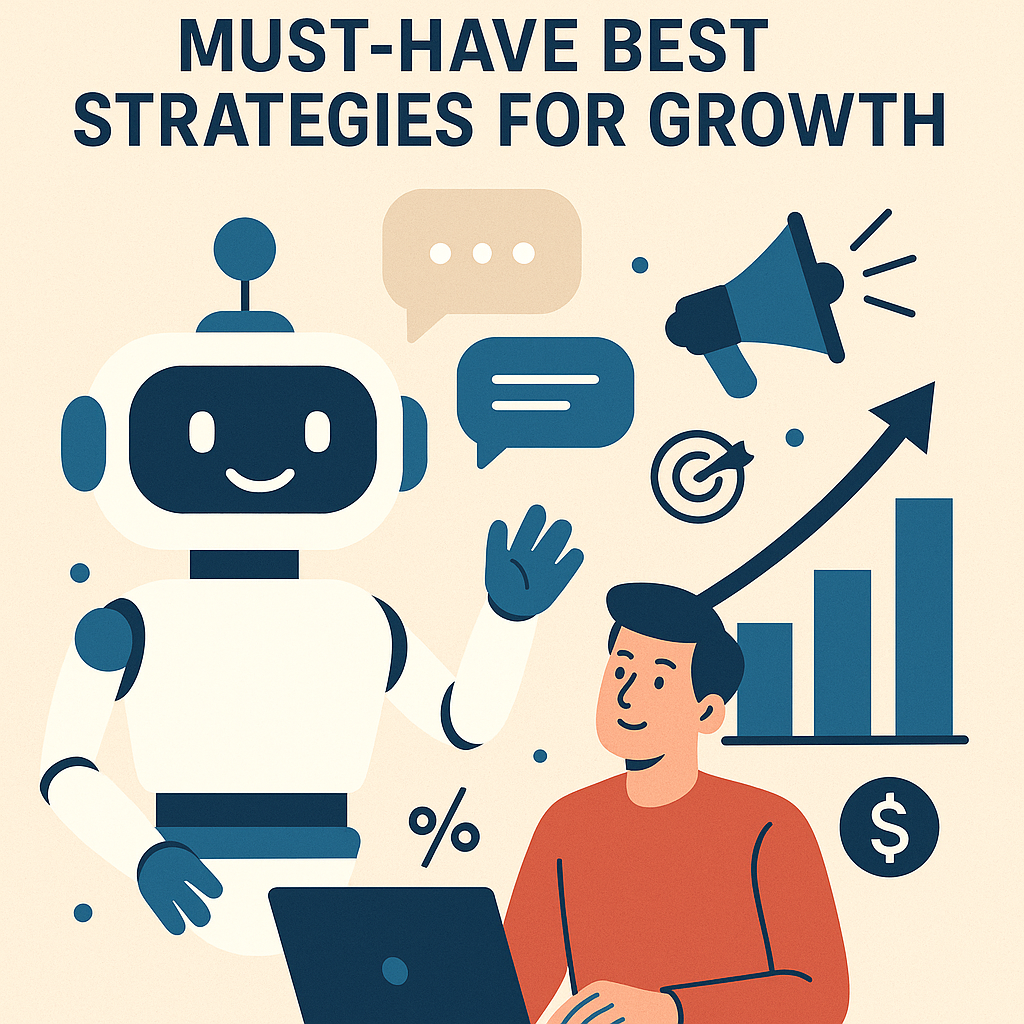
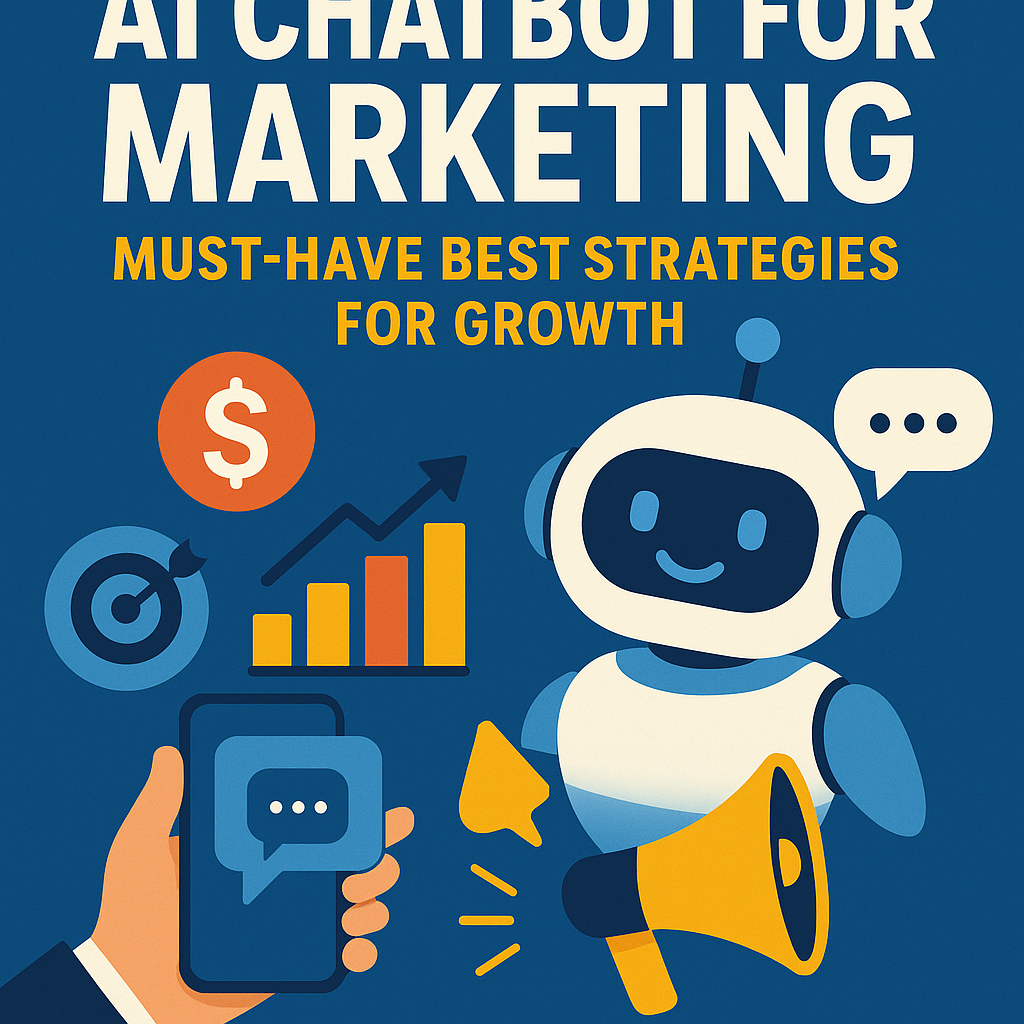
AI Chatbot for Marketing: Must-Have Best Strategies for Growth
AI chatbot for marketing is no longer just a helpful add-on for brands that want to automate replies. It has become a practical growth tool for attracting leads, improving customer experience, increasing conversions, and building stronger relationships at scale. From answering questions in real time to guiding buyers through the sales funnel, chatbots can support marketing teams in ways that save time while delivering more personalized interactions.
As customer expectations continue to rise, businesses need faster, smarter, and more consistent communication. That is exactly where AI-powered chat solutions stand out. When used strategically, they can do much more than respond to simple queries—they can qualify prospects, recommend products, recover abandoned carts, and collect valuable data for future campaigns.
Why an AI Chatbot for Marketing Matters
Modern consumers expect instant answers. If they do not get them, they often leave a website, ignore a brand, or move to a competitor. An AI chatbot helps solve this problem by creating a 24/7 communication channel that responds immediately and keeps users engaged.
Unlike traditional chat systems that rely only on preset answers, AI-based chatbots can understand context, learn from interactions, and provide more relevant responses. This allows marketing teams to deliver a smoother customer journey without overwhelming human staff.
Some of the biggest benefits include:
– Faster response times
– Higher customer engagement
– Better lead capture
– More personalized recommendations
– Improved conversion rates
– Reduced workload for support and sales teams
In short, a chatbot can become a reliable front-line marketing assistant that supports growth across multiple channels.
Best Strategies to Use an AI Chatbot for Marketing
To get real results, businesses need more than just installing a chatbot on a website. The tool must be aligned with clear marketing goals and customer needs.
1. Use It for Lead Generation
One of the most effective ways to use a chatbot is to capture leads. Instead of relying only on static forms, a chatbot can start conversations with visitors and collect details in a more natural way.
For example, it can ask:
– What service are you interested in?
– What is your budget range?
– When are you planning to make a decision?
– Would you like a demo or consultation?
This conversational format feels less formal than a form and often increases completion rates. It also helps businesses segment leads based on interest and purchase intent.
2. Personalize Product or Service Recommendations
AI works best when it improves relevance. A chatbot can analyze user behavior, preferences, and past interactions to suggest the right product, service, or content.
For ecommerce brands, this might mean recommending items based on browsing history. For service-based businesses, it could mean directing users to the right package or solution based on their goals.
This kind of personalization makes the buying process easier and can significantly improve average order value and conversion rates.
3. Support the Customer Journey at Every Stage
A strong marketing strategy considers the full journey from awareness to decision. Chatbots can help at each point:
– Top of funnel: answer basic questions and share educational content
– Middle of funnel: provide comparisons, case studies, or pricing guidance
– Bottom of funnel: offer demos, booking links, discounts, or direct contact with sales
This approach ensures that visitors receive the right information at the right time rather than generic messaging that does not match their intent.
4. Recover Abandoned Carts
Cart abandonment remains a major challenge for online stores. An AI chatbot can reduce lost sales by re-engaging users before they leave or by following up after they drop off.
It can:
– Ask if the user needs help checking out
– Clarify shipping costs or return policies
– Offer product details
– Present a limited-time incentive
Sometimes a small push or quick answer is all a buyer needs to complete a purchase.
How to Make Your Chatbot Feel Human and Helpful
A chatbot should not feel robotic or confusing. The most successful implementations are conversational, simple, and focused on user needs.
Here are a few best practices:
Keep the tone natural
Write messages as if a real team member is speaking. Avoid overcomplicated wording or generic corporate language.
Set clear expectations
Let users know what the chatbot can do. If it can help with product recommendations, bookings, FAQs, or order tracking, say so upfront.
Offer a human handoff
Not every question should be handled by automation. When a conversation becomes complex, users should be able to reach a real person quickly.
Avoid too many steps
If users must click through endless menus, the experience becomes frustrating. Keep conversations short, useful, and easy to navigate.
Channels Where Chatbots Can Drive Marketing Growth
Many businesses think of chatbots only as website tools, but they can also support marketing efforts across other platforms.
Website
This is the most common place to use a chatbot. It can welcome visitors, answer questions, and guide conversions in real time.
Social media and messaging apps
Chatbots can engage users on Facebook Messenger, Instagram, WhatsApp, and similar platforms. This is especially useful for brands with active social audiences.
Email campaigns
A chatbot can connect with leads generated from email by guiding them to relevant pages, offers, or support.
Landing pages
For paid traffic campaigns, adding a chatbot to a landing page can increase conversion rates by instantly addressing objections or confusion.
Common Mistakes to Avoid
Even a powerful tool can underperform if used poorly. Here are a few mistakes marketers should avoid:
– Launching without a clear goal
– Using a chatbot with limited or outdated responses
– Ignoring analytics and user behavior
– Making the chatbot too aggressive with pop-ups
– Failing to integrate it with CRM or marketing tools
– Not testing the conversation flow regularly
A chatbot should evolve over time. Reviewing transcripts, drop-off points, and conversion data helps improve performance and deliver better results.
Measuring Success
To understand whether your chatbot is actually helping your marketing efforts, track key performance indicators such as:
– Lead capture rate
– Engagement rate
– Click-through rate
– Conversion rate
– Average response time
– Customer satisfaction
– Cart recovery rate
These metrics reveal whether the chatbot is simply active or truly effective.
Final Thoughts
An AI chatbot can become one of the most valuable tools in a modern marketing strategy when it is used with purpose. It helps brands communicate faster, personalize at scale, and remove friction from the customer journey. More importantly, it creates opportunities to turn casual visitors into qualified leads and paying customers.
The key is to focus on strategy first. Define your goals, understand your audience, map the customer journey, and design conversations that are genuinely useful. When done well, a chatbot is not just automation—it is a growth engine that helps marketing teams work smarter and connect better.