- What Makes an AI Chatbot Builder So Valuable?
- Key Benefits of Using an AI Chatbot Builder
- 1. Faster Customer Support
- 2. Lower Operating Costs
- 3. Consistent Communication
- 4. Improved Lead Generation
- 5. 24/7 Availability
- Features to Look for in an AI Chatbot Builder
- Best Use Cases for an AI Chatbot Builder
- Customer Service
- Sales and Marketing
- E-commerce
- Healthcare
- Internal Business Operations
- How to Choose the Right Tool
- Common Mistakes to Avoid
- The Future of Effortless Automation
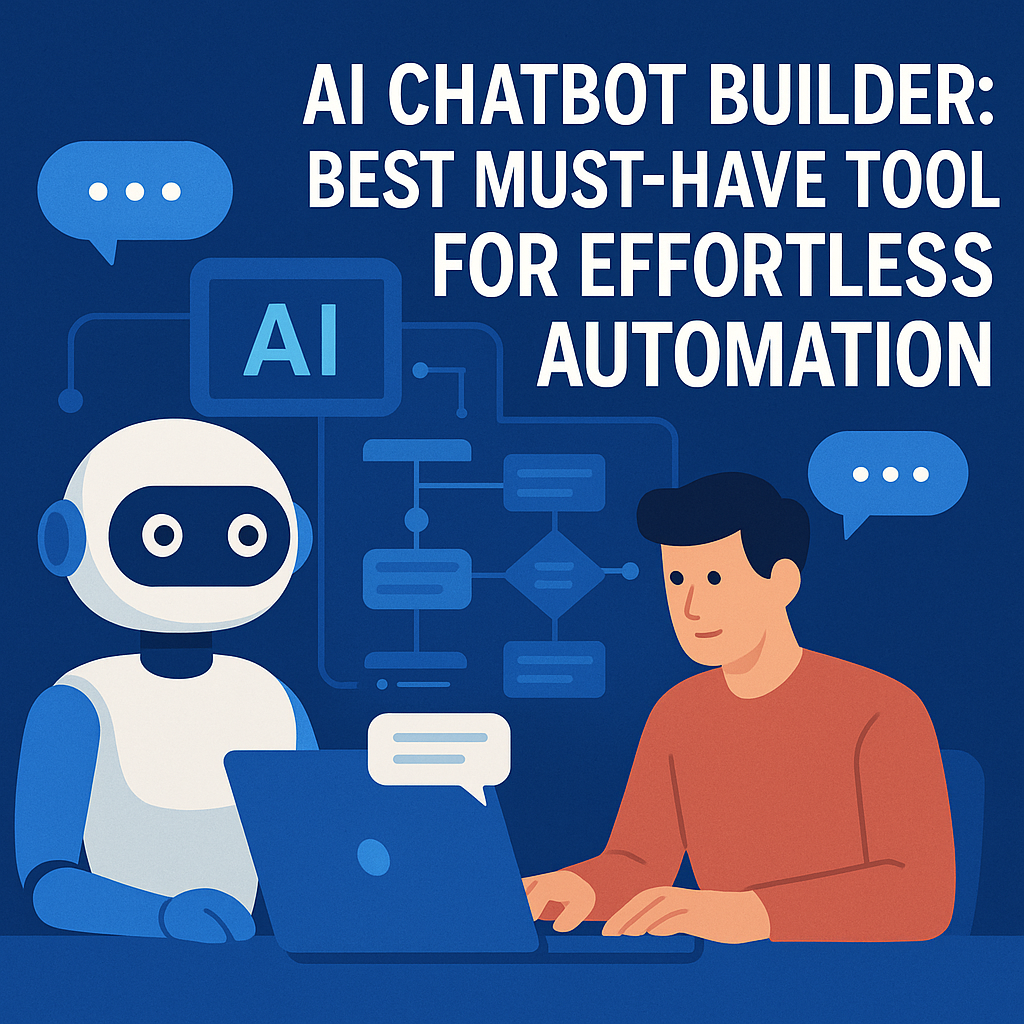
AI Chatbot Builder: Best Must-Have Tool for Effortless Automation
AI chatbot builder platforms are changing the way businesses handle communication, support, sales, and daily workflows. Instead of relying only on human teams to answer common questions or manage repetitive tasks, companies can now create intelligent chatbots that work around the clock. From startups to large enterprises, more organizations are using chatbot technology to improve efficiency, reduce response times, and deliver a smoother customer experience.
The growing demand for automation is not surprising. Customers expect fast answers, personalized interactions, and support across multiple channels. At the same time, businesses want to save time and cut operational costs without sacrificing service quality. This is where chatbot tools stand out. They make it possible to automate conversations, capture leads, answer FAQs, and even assist with internal processes like employee onboarding or appointment scheduling.
What Makes an AI Chatbot Builder So Valuable?
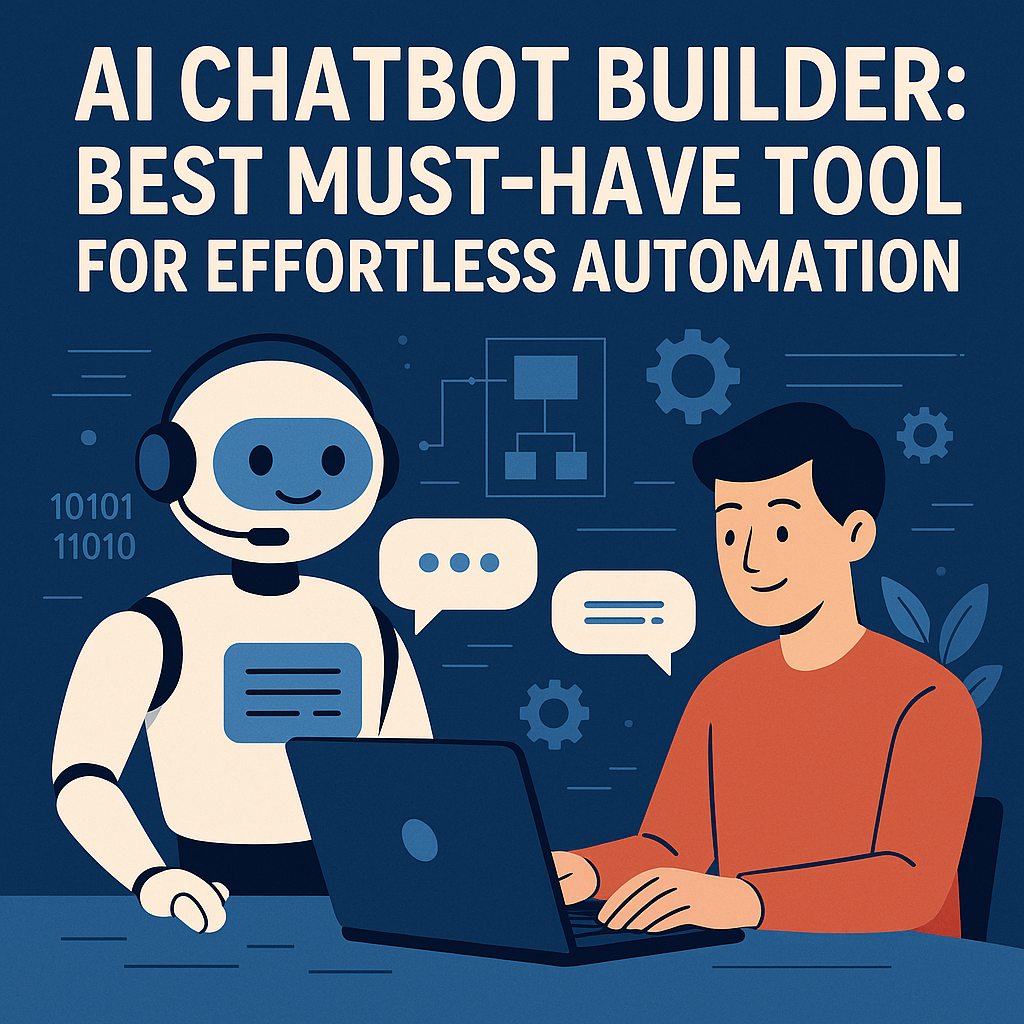
An ai chatbot builder allows users to create conversational bots without needing advanced coding skills. Many modern tools come with drag-and-drop interfaces, templates, and built-in AI features that simplify the setup process. This means teams can launch useful bots much faster than building everything from scratch.
The real value lies in accessibility and scalability. A business can start with a basic chatbot for customer support, then expand it to handle sales inquiries, product recommendations, and after-hours service. As the chatbot learns from interactions and integrates with other systems, it becomes a practical long-term asset rather than just a simple support add-on.
These tools are especially helpful for businesses that deal with high volumes of repetitive questions. Instead of having agents answer the same things over and over, the chatbot can take care of common requests instantly. Human staff can then focus on more complex or high-value conversations.
Key Benefits of Using an AI Chatbot Builder
There are several reasons why businesses are investing in chatbot automation.
1. Faster Customer Support
Speed matters. When someone visits a website or sends a message, they usually want an answer right away. A chatbot can respond in seconds, even during weekends or outside business hours. This creates a better user experience and prevents potential customers from leaving due to delays.
2. Lower Operating Costs
Support teams are expensive to scale. Hiring more people to handle routine conversations increases costs quickly. A chatbot helps reduce this pressure by managing large volumes of interactions at once. It does not replace every human role, but it can significantly reduce the workload.
3. Consistent Communication
Humans can make mistakes, especially when dealing with repetitive tasks all day. Chatbots, on the other hand, provide consistent responses based on the information they are trained with. This helps maintain accuracy in customer communication and ensures brand messaging stays aligned.
4. Improved Lead Generation
A smart chatbot can do much more than answer questions. It can guide visitors through a website, recommend services, collect contact details, qualify leads, and send prospects to the right sales representative. This turns a simple chat window into an active business growth tool.
5. 24/7 Availability
One of the biggest advantages of chatbot automation is nonstop service. Customers may come from different time zones or browse late at night. A chatbot ensures they always have someone—or something—available to assist them.
Features to Look for in an AI Chatbot Builder
Not every platform offers the same level of functionality. Choosing the right solution depends on your goals, technical needs, and customer expectations.
Here are some essential features to consider:
– No-code or low-code interface for easy setup
– Natural language processing to understand user intent better
– Prebuilt templates for common use cases
– Multichannel support for websites, social media, messaging apps, and email
– CRM and software integrations to connect with existing tools
– Analytics and reporting to measure chatbot performance
– Customization options for branding and tone of voice
– Human handoff capabilities when a live agent is needed
The best platforms combine usability with flexibility. A small business may need a simple FAQ bot, while a larger company may require advanced workflows, segmentation, and API access.
Best Use Cases for an AI Chatbot Builder
An ai chatbot builder can support many industries and departments, not just customer service. Its usefulness depends on how well it is aligned with business needs.
Customer Service
This is the most common use case. Chatbots can answer order questions, explain policies, process simple requests, and direct users to relevant resources.
Sales and Marketing
Bots can engage website visitors, recommend products, book demos, and collect qualified leads. They can also support marketing campaigns by driving interaction in a more personal way.
E-commerce
Online stores often use chatbots to help shoppers find products, track deliveries, and get instant support. This can improve conversion rates and reduce cart abandonment.
Healthcare
In healthcare settings, chatbots can assist with appointment scheduling, patient FAQs, reminders, and basic triage support, while still passing complex issues to professionals.
Internal Business Operations
Companies also use chatbots internally for HR support, onboarding, IT help desk tasks, and employee self-service. This reduces the burden on internal teams and speeds up everyday processes.
How to Choose the Right Tool
Before selecting a platform, it helps to define your main objective. Are you trying to reduce support tickets, increase leads, or automate scheduling? A clear goal makes it easier to compare options.
Next, consider ease of use. If your team has limited technical experience, a no-code platform is usually the better choice. Also look at integration capabilities. A chatbot is more effective when it can connect with your CRM, help desk software, product database, or calendar system.
Budget matters too, but the cheapest option is not always the best. A tool that saves more time, offers stronger AI features, and scales with your business may provide better long-term value.
Finally, evaluate the quality of analytics. You should be able to track conversation success, drop-off points, user satisfaction, and other insights that help improve performance over time.
Common Mistakes to Avoid
While chatbot tools are powerful, poor implementation can limit results.
One common mistake is trying to automate everything at once. It is often better to start with a focused use case, such as answering common support questions, then expand gradually.
Another issue is weak conversation design. A chatbot should sound helpful, clear, and natural. If the flow feels confusing or robotic, users may leave frustrated.
Businesses should also avoid hiding access to human support. Some situations require real people, and users should be able to reach them without hassle.
The Future of Effortless Automation
As AI technology continues to improve, chatbot builders are becoming more advanced, accurate, and user-friendly. They are no longer just basic scripts with preset replies. Many now understand intent, personalize responses, and connect deeply with business systems.
For companies looking to improve efficiency without adding unnecessary complexity, chatbot technology offers a practical path forward. It supports better customer experiences, streamlines operations, and helps teams focus on work that truly requires human attention.
An ai chatbot builder is no longer a nice extra for modern businesses. It has become an essential tool for organizations that want smarter communication, better automation, and scalable support in a fast-moving digital world.