- Why Businesses Are Turning to AI
- Benefits of an AI Chatbot for Business
- 1. 24/7 Customer Support
- 2. Lower Operating Costs
- 3. Better Lead Generation
- 4. Improved Customer Experience
- How an AI Chatbot for Business Supports Growth
- Affordable Does Not Mean Basic
- Best Practices for Using a Chatbot Effectively
- Keep the conversation simple
- Focus on high-impact tasks
- Make human support easy to reach
- Review performance regularly
- Match the chatbot to your brand voice
- Common Use Cases Across Industries
- Final Thoughts
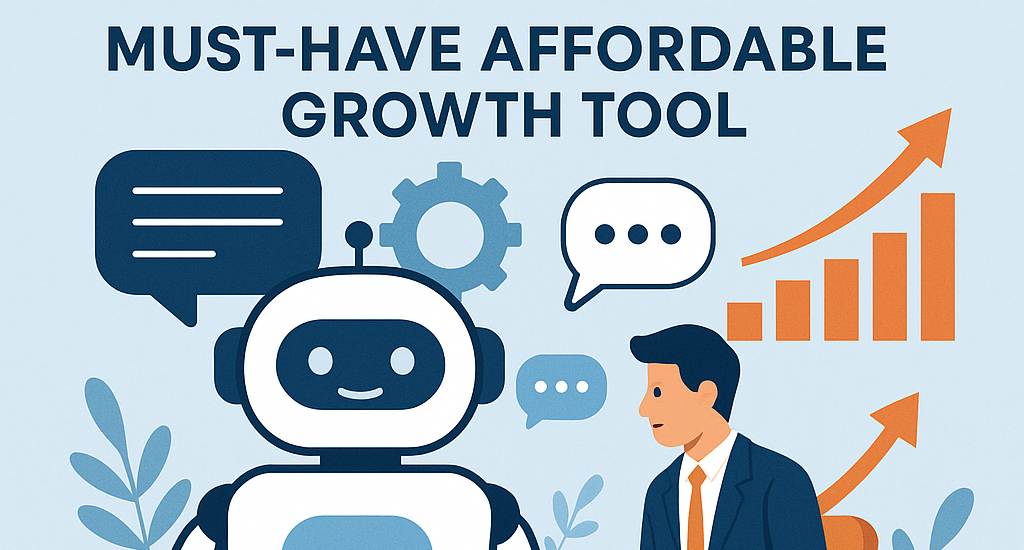
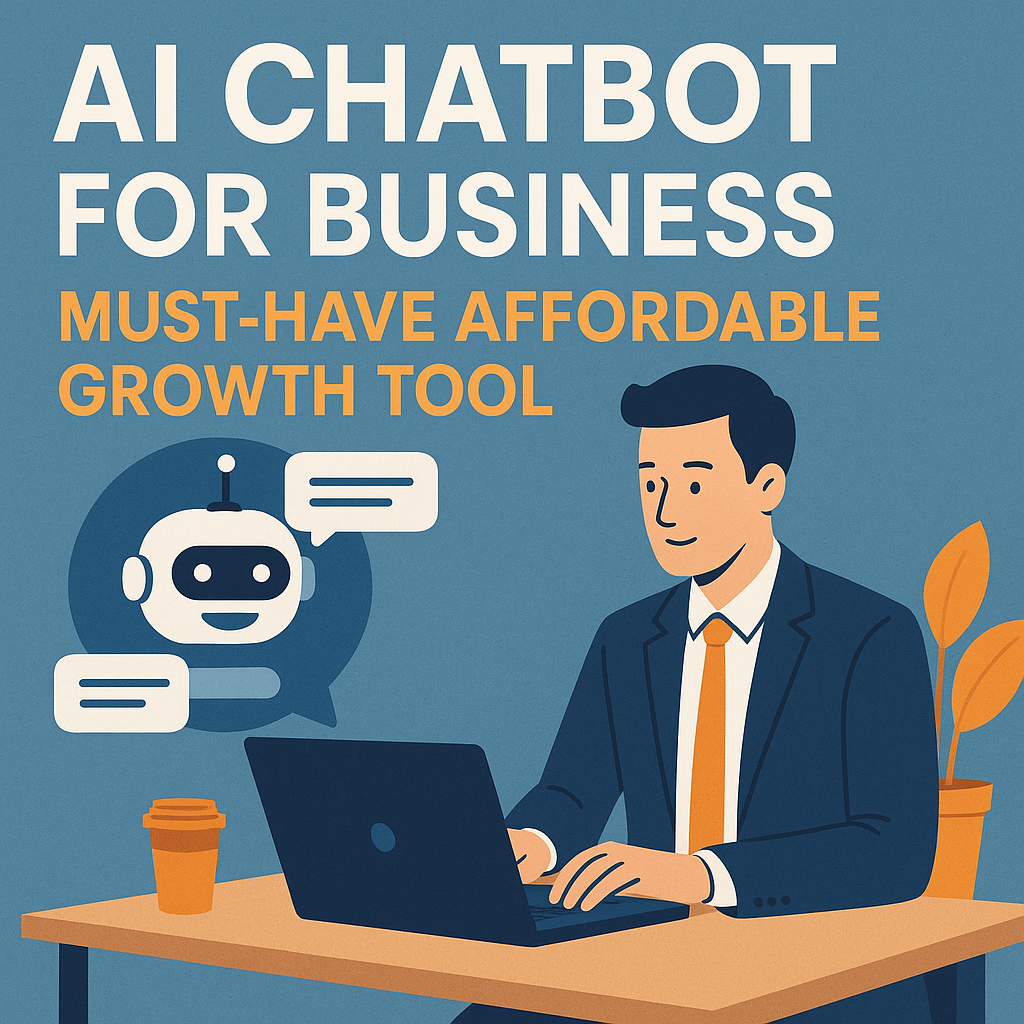
AI Chatbot for Business: Must-Have Affordable Growth Tool
AI chatbot for business is no longer a futuristic extra—it is quickly becoming one of the smartest and most affordable tools companies can use to grow. From handling customer questions around the clock to improving lead generation and reducing workload for support teams, chatbots are helping businesses of all sizes do more with less. Whether you run a startup, an online store, or a service-based company, this technology can create a faster, smoother experience for both your team and your customers.
Why Businesses Are Turning to AI
Customers expect quick replies. They do not want to wait hours—or even minutes—for answers about pricing, shipping, appointments, or product details. At the same time, hiring a full customer support team can be expensive, especially for smaller companies trying to scale carefully.
This is where AI makes a real difference.
A chatbot can respond instantly, manage multiple conversations at once, and provide consistent support without requiring breaks, holidays, or overtime pay. It can handle common questions, guide users to the right product or service, collect contact information, and even help close sales.
Instead of replacing human teams, AI often works best by supporting them. It takes care of repetitive tasks so employees can focus on the more complex or sensitive issues that need a human touch.
Benefits of an AI Chatbot for Business
1. 24/7 Customer Support
One of the biggest advantages of using an ai chatbot for business is nonstop availability. Customers browse websites at all hours, often outside normal working times. A chatbot ensures they are never left without help.
This constant presence can lead to:
– Higher customer satisfaction
– Fewer missed opportunities
– Better engagement from visitors in different time zones
– Faster response times across the board
Even if the chatbot cannot solve every issue, it can gather the necessary details and direct the conversation to the right team member later.
2. Lower Operating Costs
For many businesses, growth comes with rising support costs. More customers usually mean more questions, more emails, and more staff hours. A chatbot helps control those costs by automating a large share of routine communication.
That does not mean companies should cut human support completely. Instead, it means they can use human resources more efficiently. A small team supported by AI can often deliver the same level of service that once required a much larger team.
For growing businesses on a budget, that affordability matters.
3. Better Lead Generation
Chatbots are not just support tools—they can also become effective sales assistants. When someone lands on your website, a chatbot can start a conversation, ask qualifying questions, and recommend the next step.
For example, it can:
– Offer a discount code
– Suggest the right pricing plan
– Book a consultation
– Collect name, email, and phone number
– Guide prospects to a product page or demo form
This kind of instant interaction can increase conversions, especially when visitors are not ready to search through the website on their own.
4. Improved Customer Experience
A smooth customer experience often comes down to convenience. People want fast, simple interactions. They want to find information without friction.
A good chatbot helps users:
– Track orders
– Learn about services
– Find relevant pages quickly
– Troubleshoot basic issues
– Get personalized recommendations
When implemented well, it feels less like automation and more like helpful guidance.
How an AI Chatbot for Business Supports Growth
An ai chatbot for business supports growth by doing more than answering FAQs. It creates systems that scale with your company.
As your traffic increases, your chatbot can continue handling large volumes of conversations without the same increase in cost. This makes it easier to expand marketing efforts, attract more leads, and serve more customers without overwhelming your staff.
It also provides useful data. Businesses can learn:
– What customers ask most often
– Where users get stuck in the buying journey
– Which products get the most interest
– What issues repeatedly affect satisfaction
These insights help improve not only customer service, but also sales, product pages, messaging, and even product development.
In other words, the chatbot becomes both a communication tool and a source of business intelligence.
Affordable Does Not Mean Basic
One reason more companies are adopting AI is that it has become much more accessible. In the past, advanced automation seemed available only to large enterprises with big budgets. Today, many chatbot platforms offer flexible pricing, simple integrations, and user-friendly setup.
This means smaller businesses can benefit too.
Affordable chatbot tools now often include:
– Website chat widgets
– CRM integration
– Lead capture forms
– Automated responses
– Appointment booking
– Analytics dashboards
– Multilingual support
The key is choosing a solution that fits your current needs while allowing room for future expansion. You do not need the most expensive platform to get strong results. You need one that solves real problems and supports your customer journey.
Best Practices for Using a Chatbot Effectively
To get the most value from a chatbot, businesses should be intentional about how they use it. Simply adding a chat box to a website is not enough.
Here are a few smart practices:
Keep the conversation simple
Use clear language and guide users step by step. Avoid overly robotic or confusing replies.
Focus on high-impact tasks
Start with the areas where automation saves the most time, such as FAQs, booking, order tracking, and lead capture.
Make human support easy to reach
Customers should always have a path to speak with a real person when needed.
Review performance regularly
Use chatbot data to see what is working, where users drop off, and which conversations need improvement.
Match the chatbot to your brand voice
A friendly, helpful tone creates a better impression and makes the interaction feel more natural.
Common Use Cases Across Industries
Chatbots are useful in a wide range of industries, including:
E-commerce: product recommendations, shipping updates, return policies
Healthcare: appointment scheduling, general information, patient FAQs
Real estate: property inquiries, lead capture, viewing requests
Education: course information, admissions support, student guidance
Professional services: consultation booking, service explanations, client intake
This flexibility is one reason AI has become such a practical investment. It can be adapted to many business models without requiring a complete overhaul of existing systems.
Final Thoughts
Businesses today need tools that improve efficiency, support customers, and help drive revenue without creating unsustainable costs. AI chatbots check all of those boxes. They are fast, scalable, and increasingly affordable, making them a strong option for companies that want to compete more effectively.
When used strategically, a chatbot can strengthen customer relationships, boost conversions, reduce pressure on staff, and open the door to smarter growth. For businesses looking to modernize without overspending, this is one investment that can deliver value from day one.