
- What Makes This Tool So Valuable?
- AI Chat Assistant for Better Customer Experience
- Supporting Human Teams, Not Replacing Them
- Where Businesses Use It Most Effectively
- E-commerce
- Healthcare
- Education
- Finance
- Internal Employee Support
- Key Features to Look For
- Why Customers Prefer Instant Conversations
- The Future of Support Is More Proactive
- Final Thoughts
Why Modern Businesses Rely on Smarter Conversational Support
AI chat assistant technology is changing the way businesses communicate with customers, employees, and website visitors. Instead of making people wait for answers, this tool delivers fast, consistent, and helpful responses around the clock. From handling common questions to guiding users through complex processes, it has become one of the most practical ways to improve support without increasing pressure on human teams.
In today’s digital environment, speed matters. Customers expect instant help whether they are shopping online, booking a service, or looking for technical guidance. Traditional support channels often struggle to keep up with these expectations, especially during busy hours. That is where intelligent conversational tools stand out. They reduce wait times, improve accessibility, and create a smoother user experience.
What Makes This Tool So Valuable?
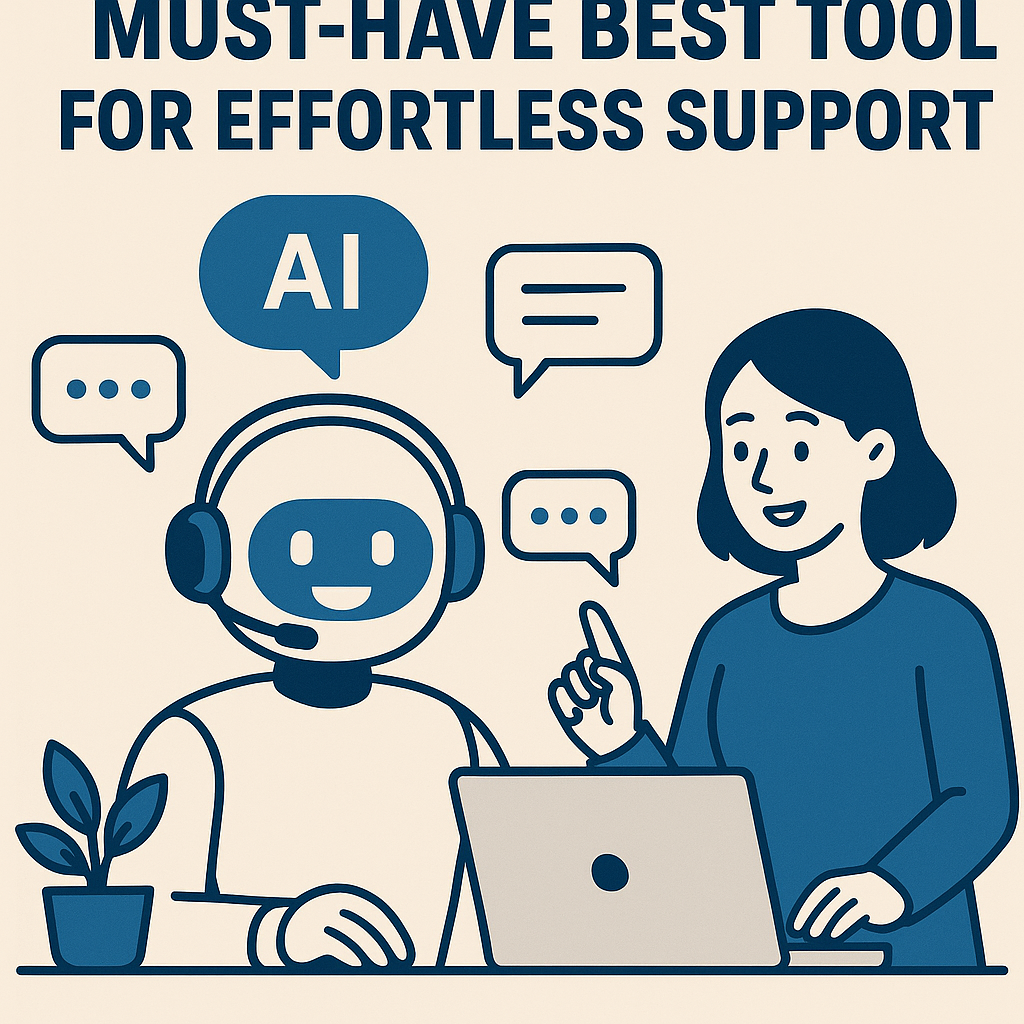
At its core, this type of assistant is designed to understand user questions and respond in a natural, conversational way. Unlike basic scripted chat widgets of the past, modern systems can interpret intent, learn from interactions, and provide more personalized support.
That value becomes clear in several key areas:
– 24/7 availability: Users can get help at any time, even outside business hours.
– Faster response times: Common issues are resolved instantly without waiting in a queue.
– Consistent answers: Information stays accurate and standardized across interactions.
– Scalability: The system can assist many users at once without slowing down.
– Lower support costs: Teams can focus on complex cases while repetitive tasks are automated.
For businesses that want to grow without sacrificing service quality, this kind of support solution offers a major advantage.
AI Chat Assistant for Better Customer Experience
An ai chat assistant improves customer experience by making support feel immediate and convenient. People no longer want to search through long FAQ pages or wait for an email response. They prefer quick, clear answers in real time.
For example, a visitor on an e-commerce site may want to know:
– Whether a product is in stock
– How long shipping will take
– What the return policy is
– Which item best suits their needs
Instead of leaving the site frustrated, they can ask the assistant and receive an answer right away. This reduces abandoned carts and increases customer confidence.
It also helps create a more welcoming first impression. When users land on a website and instantly see a helpful guide ready to answer questions, they are more likely to stay engaged. That simple interaction can turn casual interest into a sale, subscription, or inquiry.
Supporting Human Teams, Not Replacing Them
One of the biggest misconceptions is that these assistants are meant to replace support staff entirely. In reality, their strongest role is often to support human agents, not remove them.
A smart assistant can handle repetitive questions such as:
– Password reset instructions
– Order tracking updates
– Appointment confirmations
– Basic troubleshooting
– Billing FAQs
This frees up human agents to spend their time on sensitive, technical, or high-value conversations that require judgment and empathy. As a result, the entire support operation becomes more efficient.
Human teams also benefit from better organization. Many tools can collect customer details before handing off a conversation, so the agent already knows the issue, account history, or intent. That reduces repetition and makes the handoff smoother.
Where Businesses Use It Most Effectively
This technology is useful in more than just customer service. Organizations across different industries are finding practical ways to apply it.
E-commerce
Online stores use conversational assistants to recommend products, answer shipping questions, and recover potential lost sales.
Healthcare
Clinics and health platforms use them for appointment scheduling, patient reminders, and answering non-emergency questions.
Education
Schools and online learning platforms use them to help students with enrollment, course information, deadlines, and support resources.
Finance
Banks and financial service providers use automated chat systems to answer account questions, explain services, and guide users through secure processes.
Internal Employee Support
Businesses also use these tools inside their organizations to help employees with HR questions, IT support, onboarding, and policy information.
This wide range of use cases shows that the value goes far beyond public-facing customer service.
Key Features to Look For
Not every tool offers the same level of performance. Choosing the right one requires attention to the features that actually improve the user experience.
Look for the following capabilities:
– Natural language understanding: It should understand real human phrasing, not just exact keywords.
– Easy integration: It should work smoothly with websites, CRM systems, help desks, and messaging platforms.
– Customization options: Businesses should be able to align tone, workflows, and responses with their brand.
– Analytics and reporting: Insights into user questions and performance help improve service over time.
– Seamless escalation: When needed, the conversation should transfer easily to a human representative.
– Multilingual support: This is especially useful for businesses serving global audiences.
A good solution is not just responsive; it is practical, brand-aware, and easy to manage.
Why Customers Prefer Instant Conversations
People value convenience. They want support that feels simple, direct, and available on their terms. Long forms, endless email chains, and hold music no longer match modern expectations.
Instant conversational support works because it meets people where they are. Whether they are browsing on a phone late at night or looking for help in the middle of a workday, they can ask a question and keep moving. That speed creates trust and reduces friction.
There is also a psychological benefit. Users often feel more comfortable asking quick questions in chat rather than making a call. For simple needs, this can feel easier, less formal, and more efficient.
The Future of Support Is More Proactive
The next step for these systems is not just answering questions but anticipating needs. Instead of waiting for a user to ask for help, more advanced tools can offer guidance based on behavior.
For example, if someone spends too much time on a pricing page, the assistant might offer to explain plan differences. If a user seems stuck during checkout, it can step in with help before the sale is lost. This proactive support creates a more helpful and personalized journey.
As the technology improves, businesses will be able to deliver support that feels faster, smarter, and more human-centered.
Final Thoughts
A well-designed conversational support system is no longer a luxury. It is becoming an essential part of how businesses serve customers efficiently and consistently. By improving response times, reducing workload, and creating better user experiences, it helps companies stay competitive in a world where convenience matters more than ever.
For brands looking to simplify support without sacrificing quality, investing in this tool is a practical and forward-thinking move.