- Why an ai chatbot for marketing matters now
- Key ways chatbots support business growth
- 1. Instant customer engagement
- 2. Better lead generation
- 3. Personalized recommendations
- 4. 24/7 availability
- 5. Lower operational costs
- How AI chatbots improve the customer journey
- Best practices for using an ai chatbot for marketing
- Keep the conversation simple
- Give it a specific purpose
- Match your brand voice
- Know when to hand off to a human
- Measure performance
- Common mistakes to avoid
- The future of marketing is more conversational
- Final thoughts
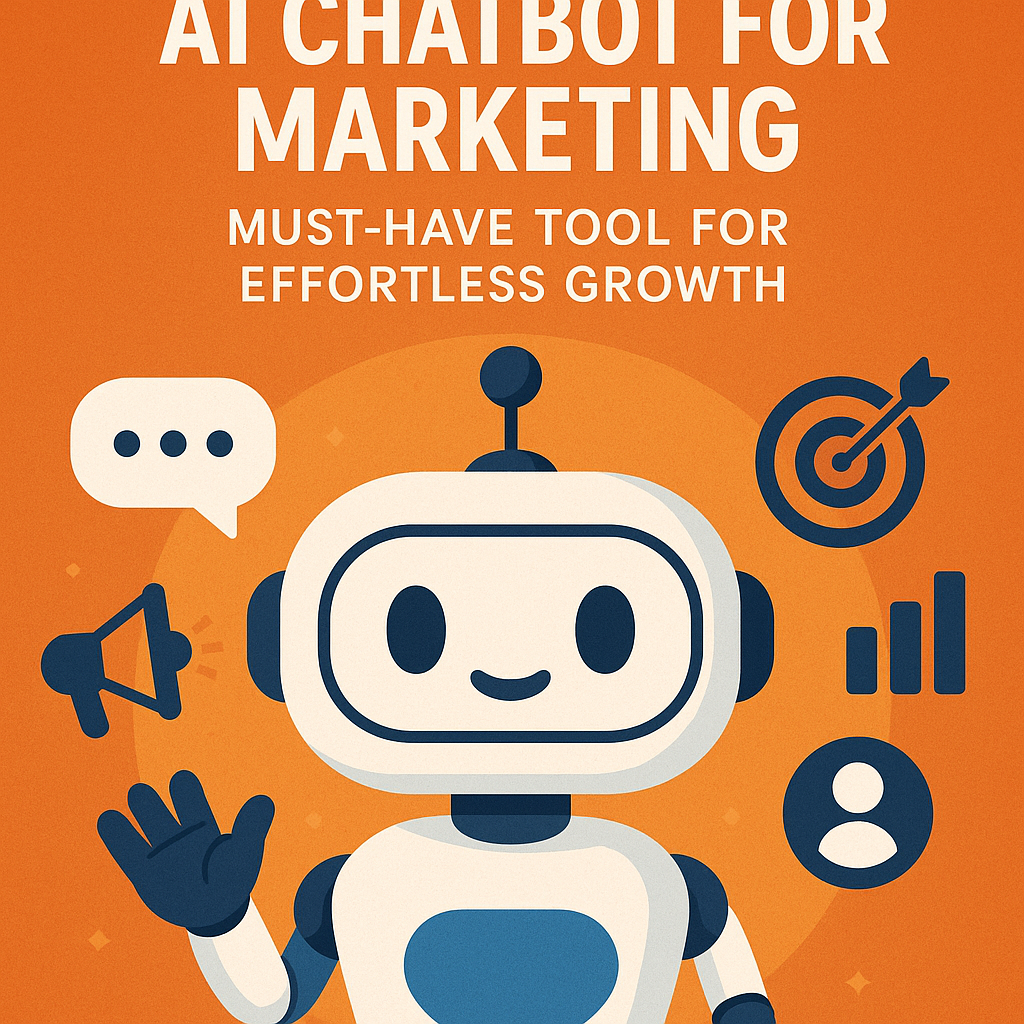
AI Chatbot for Marketing: Must-Have Tool for Effortless Growth
ai chatbot for marketing is changing the way brands attract, engage, and convert customers. What once required large teams, long response times, and expensive tools can now be handled faster and more efficiently through intelligent automation. From answering customer questions in real time to guiding buyers through the sales journey, chatbots have evolved into a practical growth engine for businesses of all sizes.
Modern consumers expect instant communication. They do not want to wait hours for an email reply or sit on hold to get basic information. If a business cannot respond quickly, potential customers often move on to a competitor. This is where AI-powered chatbots step in. They offer immediate support, personalized interactions, and round-the-clock availability, helping companies build stronger relationships while reducing manual workload.
Why an ai chatbot for marketing matters now
The digital marketplace is more competitive than ever. Customers interact with brands across websites, social media, messaging apps, and online stores. Keeping up with those touchpoints manually is difficult, especially for small and growing teams. An AI chatbot helps bridge that gap by acting as a smart, always-available assistant.
Unlike simple rule-based bots that only follow pre-set scripts, AI chatbots can understand intent, process natural language, and respond in a way that feels more human. This makes them valuable in marketing because they can do more than answer FAQs. They can recommend products, qualify leads, collect customer insights, and even re-engage inactive users.
When used well, a chatbot becomes part of a brand’s front line. It improves customer experience while also helping the marketing team focus on strategy, creativity, and campaign performance instead of repetitive tasks.
Key ways chatbots support business growth
AI chatbots can strengthen marketing performance in several important areas.
1. Instant customer engagement
Speed matters in marketing. A visitor who lands on your site with a question is often close to making a decision. If they get an immediate response, they are more likely to stay engaged. AI chatbots can greet visitors, offer help, and guide them to the right pages or products in seconds.
This instant engagement reduces bounce rates and increases the chances of conversion. It also creates a smoother experience that leaves a better impression of the brand.
2. Better lead generation
A chatbot can act like a virtual sales assistant by asking relevant questions and collecting useful details from prospects. It can identify what the user is looking for, gather contact information, and determine whether they are a strong lead.
Instead of using static forms that often feel cold or inconvenient, businesses can use conversational interactions to capture leads more naturally. This often results in higher completion rates and better quality data.
3. Personalized recommendations
AI chatbots can analyze user behavior, previous interactions, and preferences to suggest products or services that match customer needs. Personalization is one of the biggest drivers of engagement in modern marketing, and chatbots make it easier to deliver at scale.
For example, an online fashion store can recommend outfits based on browsing patterns, while a software company can guide users toward the most suitable plan based on their goals.
4. 24/7 availability
Not every customer visits during business hours. A chatbot ensures that support and engagement continue day and night. This is especially useful for global brands with audiences in different time zones.
Being available at all times helps businesses capture opportunities that might otherwise be lost. It also improves trust, because customers know they can get help whenever they need it.
5. Lower operational costs
Hiring and training customer-facing staff can be expensive. While chatbots do not replace the value of human teams, they can handle large volumes of routine interactions, freeing people to focus on more complex or high-value conversations.
This makes marketing operations more efficient and scalable without compromising responsiveness.
How AI chatbots improve the customer journey
One of the biggest strengths of AI chatbots is their ability to support the entire customer journey rather than just one stage.
At the awareness stage, they can welcome visitors, answer introductory questions, and share educational content. During consideration, they can compare options, explain features, and highlight benefits. At the decision stage, they can provide pricing details, offer promotions, and reduce hesitation with immediate support.
Even after the purchase, chatbots remain useful. They can assist with onboarding, provide follow-up guidance, ask for feedback, and suggest related products or services. This continuity helps businesses improve retention and increase customer lifetime value.
Best practices for using an ai chatbot for marketing
Adding a chatbot is not enough on its own. Success depends on how well it is designed and integrated into your broader strategy.
Keep the conversation simple
Users want fast, helpful answers. A chatbot should be easy to interact with and avoid unnecessary complexity. Clear prompts, natural responses, and focused messaging make the experience more effective.
Give it a specific purpose
Some businesses try to make one chatbot do everything. That can lead to confusion. It is better to define clear goals, such as lead capture, product support, appointment booking, or customer onboarding.
Match your brand voice
A chatbot represents your business, so its tone should reflect your brand personality. Whether your style is professional, friendly, playful, or informative, consistency matters.
Know when to hand off to a human
AI is powerful, but it is not perfect. Some issues require empathy, judgment, or deeper expertise. A strong chatbot experience includes a smooth handoff to a human agent when needed.
Measure performance
Track key metrics such as response rate, engagement rate, lead conversions, customer satisfaction, and resolution time. This helps you improve the chatbot over time and ensure it supports business goals.
Common mistakes to avoid
While AI chatbots offer major advantages, poor implementation can create frustration instead of value.
One common mistake is over-automation. If every interaction feels robotic or restrictive, users may leave. Another issue is failing to update the chatbot regularly. Customer needs change, and chatbot scripts or models should evolve with them.
It is also important to avoid collecting too much information too early. People are more willing to share details when the conversation feels relevant and useful. Start with value, then ask for information when it makes sense.
Finally, do not hide the fact that users are speaking with a bot. Transparency builds trust and sets clear expectations.
The future of marketing is more conversational
Marketing is shifting from one-way messaging to real-time, interactive experiences. Consumers want brands that listen, respond, and adapt quickly. AI chatbots fit naturally into this shift because they make communication faster, smarter, and more personalized.
As AI continues to improve, chatbots will become even more capable of understanding context, predicting customer needs, and supporting more advanced workflows. Businesses that adopt this technology now will be better positioned to compete, scale, and build stronger customer relationships.
Final thoughts
An AI chatbot is no longer just a nice feature on a website. It is a practical tool for streamlining communication, improving customer experience, and driving measurable marketing results. Whether your goal is to generate more leads, boost conversions, or support customers more effectively, a well-planned chatbot strategy can help you grow with less friction.
For brands looking to do more with fewer resources, this technology offers a smart path forward—one that combines automation with personalization in a way that truly supports effortless growth.