- Why an AI Chatbot for Marketing Matters
- Start With Clear Goals
- Use the Chatbot to Capture and Qualify Leads
- Personalize Customer Journeys
- Integrate With Your Existing Marketing Channels
- Create Conversational Content That Feels Human
- Best AI Chatbot for Marketing Strategies to Increase Conversions
- 1. Offer Instant Product Recommendations
- 2. Reduce Friction on Landing Pages
- 3. Recover Abandoned Carts
- 4. Promote Time-Sensitive Campaigns
- 5. Book Meetings Automatically
- Measure Performance and Improve Continuously
- Keep the Human Handoff Smooth
- Final Thoughts
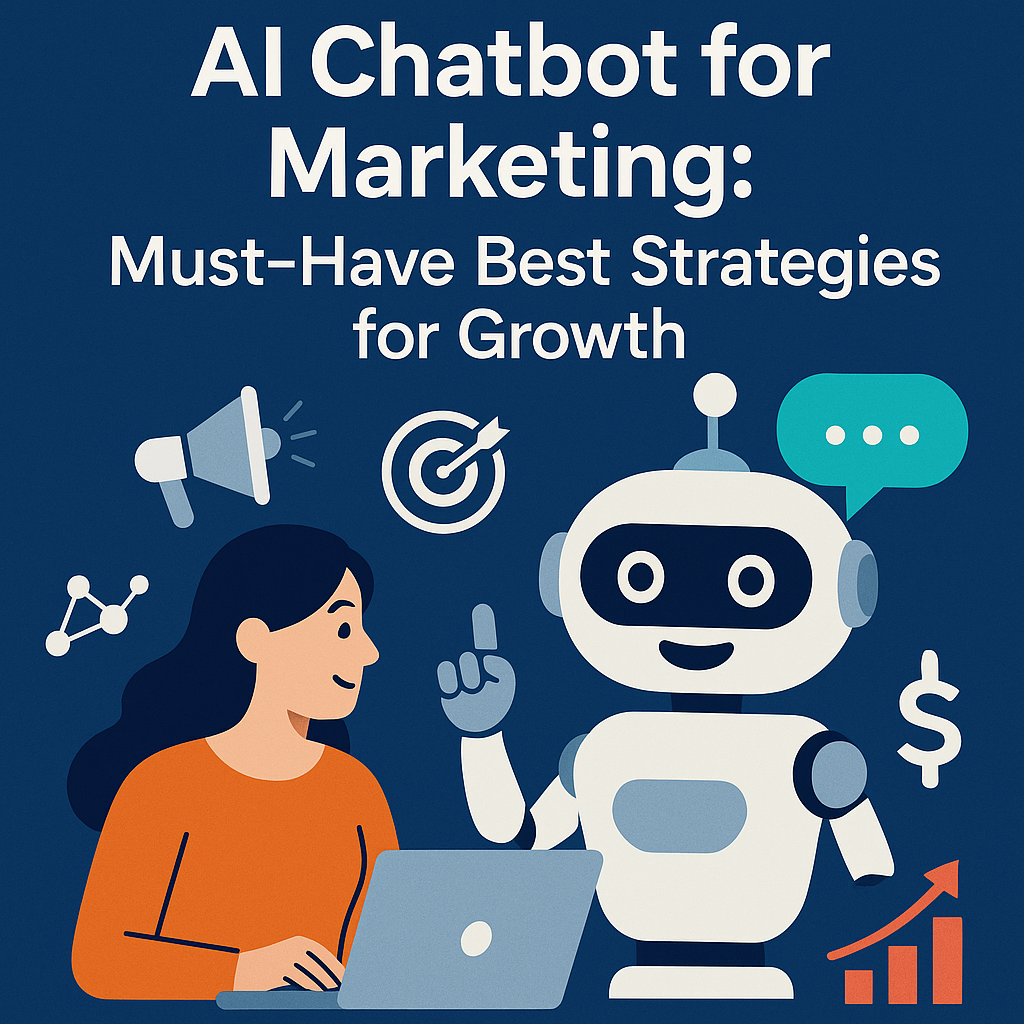
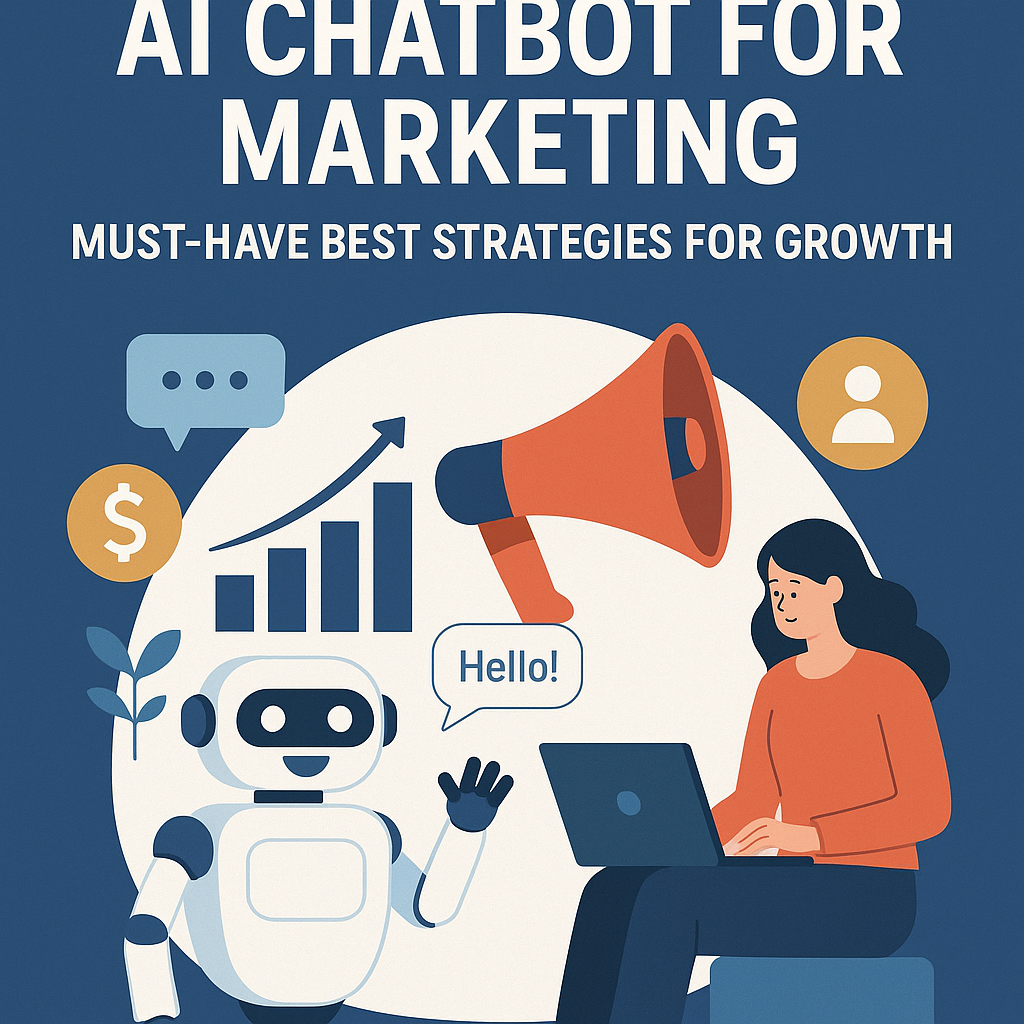
AI Chatbot for Marketing: Must-Have Best Strategies for Growth
AI chatbot for marketing is no longer just a helpful add-on for modern businesses. It has become a practical tool for attracting leads, improving customer experience, increasing conversions, and scaling communication without overloading marketing teams. Whether a company is a startup or an established brand, the right chatbot strategy can create faster interactions, more personalized journeys, and stronger relationships with customers across every stage of the funnel.
Marketing today moves quickly. Customers expect instant answers, personalized offers, and smooth digital experiences. When brands fail to deliver that, people often leave and choose a competitor. This is where chatbots offer a real advantage. They can respond 24/7, guide users through buying decisions, gather useful data, and keep prospects engaged at the exact moment they show interest.
Why an AI Chatbot for Marketing Matters
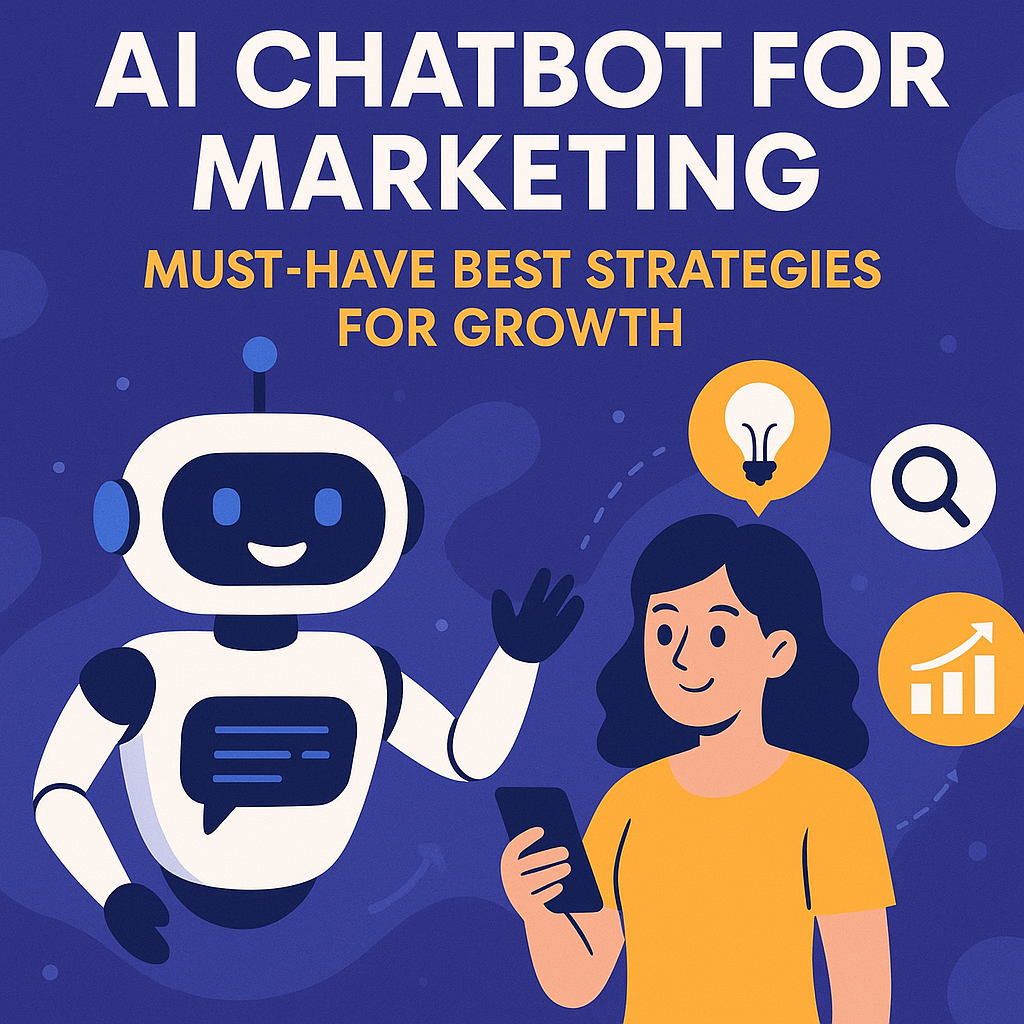
A chatbot is more than an automated messaging tool. When powered by AI, it can understand customer intent, respond in a natural way, and learn from interactions over time. This makes it useful for more than basic support.
In marketing, an AI chatbot can help businesses:
– Qualify leads instantly
– Recommend products based on customer behavior
– Deliver personalized promotions
– Recover abandoned carts
– Schedule demos or consultations
– Answer common questions in real time
– Capture customer insights for future campaigns
The biggest benefit is speed. Marketing success often depends on timing. If someone lands on a website, clicks on an ad, or asks a question on social media, the brand that responds first usually has the advantage. A chatbot helps make sure that opportunity is not lost.
Start With Clear Goals
Before launching any chatbot, define what success looks like. Many businesses add chatbots because they seem trendy, but growth comes from using them with purpose.
Ask these questions first:
– Do you want more qualified leads?
– Are you trying to increase online sales?
– Is your goal to improve customer engagement?
– Do you want to reduce bounce rates on landing pages?
– Are you trying to support your email or social campaigns?
A chatbot built for lead generation will be very different from one designed for e-commerce upselling. Clear goals help shape the chatbot’s flow, tone, questions, and calls to action.
Use the Chatbot to Capture and Qualify Leads
One of the most effective growth strategies is using a chatbot as a lead qualification tool. Instead of forcing visitors to fill out a long form, a chatbot can ask simple questions in a conversational format.
For example, it can ask:
– What are you looking for today?
– What size is your business?
– What is your budget range?
– How soon do you need a solution?
This approach feels more natural and less intrusive. It also helps marketing and sales teams collect better information. Rather than receiving cold leads with little context, teams get leads that are already segmented and easier to follow up with.
To improve results, keep questions short and focused. If the chatbot asks too many things too soon, users may leave.
Personalize Customer Journeys
Personalization is one of the strongest advantages of AI in marketing. A chatbot can use browsing history, referral source, location, previous purchases, or user behavior to tailor its responses.
For example:
– A first-time visitor might receive a welcome message and introductory offer
– A returning visitor might get product suggestions based on previous views
– A customer who left items in a cart might be reminded with a discount or support message
– A business buyer might be routed to a demo or consultation instead of a standard sales page
This level of personalization helps create a more relevant experience. When people feel understood, they are more likely to engage and convert.
Integrate With Your Existing Marketing Channels
A chatbot should not operate in isolation. It works best when connected to the rest of your marketing ecosystem.
Strong integrations may include:
– CRM platforms for tracking lead history
– Email marketing tools for follow-up campaigns
– Ad platforms for retargeting
– E-commerce systems for product recommendations
– Analytics tools for measuring performance
– Customer support software for handoffs when needed
For example, if a chatbot captures a lead from a landing page, that lead can automatically enter an email nurture sequence. If a user asks about pricing but does not buy, the business can retarget them later with relevant ads. These connections turn chatbot conversations into larger growth opportunities.
Create Conversational Content That Feels Human
A chatbot should be efficient, but it should not sound robotic. One common mistake is making bot responses too formal, generic, or scripted. That often creates friction instead of trust.
Good chatbot copy should be:
– Clear
– Friendly
– Short
– Helpful
– On-brand
It should guide users without overwhelming them. Use simple language, direct options, and natural phrasing. It also helps to give users a few quick-reply buttons so they can move forward easily.
At the same time, honesty is important. Users should know they are speaking with a chatbot. Pretending it is human can hurt trust if the conversation becomes limited or confusing.
Best AI Chatbot for Marketing Strategies to Increase Conversions
To drive real growth, focus on strategies that influence action, not just engagement. Here are some of the most effective ways to use a chatbot for higher conversions:
1. Offer Instant Product Recommendations
Help users find what they need quickly. A chatbot can ask about preferences, budget, or goals and suggest the best fit.
2. Reduce Friction on Landing Pages
Instead of making visitors search for answers, place a chatbot where users might hesitate. Quick clarification can keep them from bouncing.
3. Recover Abandoned Carts
A chatbot can remind users about items left behind, answer objections, and even offer a limited-time incentive.
4. Promote Time-Sensitive Campaigns
During launches, sales, or seasonal campaigns, chatbots can highlight offers and direct users to the right pages.
5. Book Meetings Automatically
For service-based businesses, chatbots can qualify prospects and schedule calls without delay.
These strategies work best when the chatbot has one clear next step in every conversation.
Measure Performance and Improve Continuously
Like any marketing tool, a chatbot should be optimized regularly. Do not just install it and leave it unchanged.
Track metrics such as:
– Conversation start rate
– Lead capture rate
– Click-through rate
– Conversion rate
– Drop-off points
– Customer satisfaction
– Average response resolution
Review where users get stuck or leave. Are the questions too long? Is the message unclear? Is the chatbot appearing at the wrong time? Small adjustments can lead to meaningful improvements.
Testing different opening messages, offer placements, and conversation flows can reveal what works best for your audience.
Keep the Human Handoff Smooth
Even the smartest chatbot cannot solve every customer need. Sometimes users want to speak with a person, especially for complex purchases, technical questions, or emotional situations.
The best approach is hybrid. Let the chatbot handle speed and routine tasks, then hand off to a human when needed. Make that transition simple. If users feel trapped in automation, they may leave frustrated.
A good chatbot knows when to escalate.
Final Thoughts
An AI-powered chatbot can be one of the most valuable tools in a modern growth strategy when used thoughtfully. It helps brands respond faster, personalize interactions, qualify leads, and support conversions at scale. The key is not simply adding automation, but designing experiences that are timely, relevant, and genuinely useful.
Businesses that treat chatbots as part of a larger marketing system will see the best results. With clear goals, strong integration, conversational design, and regular optimization, a chatbot can become a powerful engine for sustainable growth.