
- Why Businesses Are Investing in AI Chatbot Platforms
- Must-Have Features in AI Chatbot Platforms
- 1. Natural Language Processing
- 2. Omnichannel Support
- 3. CRM and App Integrations
- 4. Human Handoff
- 5. Analytics and Reporting
- Best Use Cases for AI Chatbot Platforms
- Customer Support
- Lead Generation
- E-commerce Assistance
- Appointment Booking
- Internal Team Support
- How AI Chatbot Platforms Support Effortless Growth
- Choosing the Right AI Chatbot Platforms for Your Business
- Common Mistakes to Avoid
- The Future of AI Chatbot Platforms
- Final Thoughts
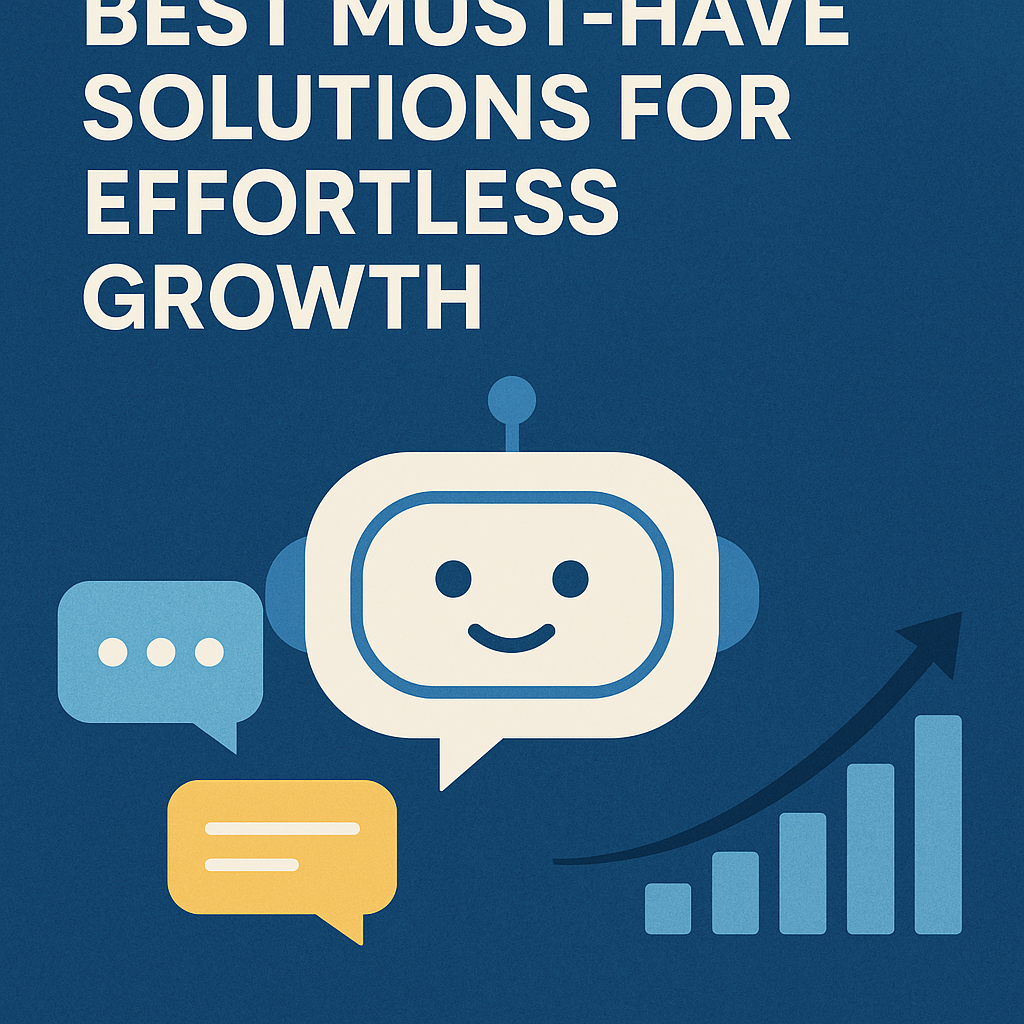
AI Chatbot Platforms: Best Must-Have Solutions for Effortless Growth
ai chatbot platforms are no longer optional tools reserved for large enterprises. They have become practical, high-impact solutions for businesses of all sizes that want to improve customer support, automate repetitive tasks, capture more leads, and create better digital experiences. Whether you run an online store, a SaaS company, a service business, or a growing startup, the right chatbot platform can help you scale conversations without scaling costs at the same pace.
Why Businesses Are Investing in AI Chatbot Platforms
Modern customers expect instant answers. They do not want to wait hours for a reply to a simple question about pricing, shipping, availability, or account access. That shift in expectation has made chat automation one of the most useful investments in digital growth.
AI chatbots can do far more than provide canned responses. The best systems can understand intent, respond naturally, personalize interactions, and hand conversations to human agents when needed. This creates a smoother customer journey and frees teams to focus on more valuable work.
Here are some of the biggest reasons businesses are adopting chatbot technology:
– 24/7 customer support without hiring around-the-clock staff
– Faster response times that improve user satisfaction
– Lead qualification through automated questions and routing
– Sales support with product suggestions and buying guidance
– Reduced workload for support and sales teams
– Better consistency in customer communication
– Scalable growth without a matching increase in operational pressure
In short, chatbot solutions help businesses do more with less while still delivering a strong customer experience.
Must-Have Features in AI Chatbot Platforms
Not all chatbot tools are built the same. Some are simple rule-based systems, while others are highly advanced AI solutions that can integrate deeply with your workflows. If you want real long-term value, there are several features worth prioritizing.
1. Natural Language Processing
A strong chatbot should understand how people actually speak. Customers rarely ask the same question in the same way, so the platform needs natural language processing to interpret meaning, not just keywords.
2. Omnichannel Support
The best platforms can be deployed across multiple channels, such as:
– Website chat
– Facebook Messenger
– WhatsApp
– Instagram
– SMS
– Email
– Help desk systems
This keeps communication seamless and allows customers to interact wherever they feel most comfortable.
3. CRM and App Integrations
A chatbot becomes much more powerful when it connects to tools you already use. Useful integrations often include:
– CRM platforms like HubSpot or Salesforce
– E-commerce platforms like Shopify or WooCommerce
– Support tools like Zendesk or Freshdesk
– Scheduling apps
– Payment systems
– Email marketing platforms
These connections turn chatbots from simple assistants into workflow engines.
4. Human Handoff
Automation should improve service, not trap customers in frustrating loops. A good platform knows when to pass the conversation to a real person. This is especially important for sensitive issues, complex questions, or high-value sales opportunities.
5. Analytics and Reporting
To grow efficiently, you need data. Reporting tools can show conversation volume, customer intent, response quality, conversion rates, and drop-off points. These insights help businesses refine both chatbot performance and broader customer experience strategies.
Best Use Cases for AI Chatbot Platforms
One of the reasons chatbot technology is growing so quickly is its flexibility. It can support many departments, not just customer service.
Customer Support
This is the most common use case. Chatbots can answer FAQs, troubleshoot basic issues, share order updates, and collect information before escalating to a human support rep.
Lead Generation
Bots can greet website visitors, ask qualifying questions, recommend services, and capture contact details. This helps sales teams spend time on leads that are more likely to convert.
E-commerce Assistance
Online stores use chatbots to suggest products, answer questions about sizing or delivery, provide discount codes, and reduce cart abandonment.
Appointment Booking
Service businesses can automate scheduling, reminders, and follow-ups. This works especially well for healthcare providers, consultants, agencies, salons, and local businesses.
Internal Team Support
Some companies also use AI chatbots internally. They can answer HR questions, help employees find documents, assist with onboarding, or simplify IT support requests.
How AI Chatbot Platforms Support Effortless Growth
Growth often creates pressure points. As traffic increases, customer questions rise, support queues get longer, and teams struggle to maintain the same level of responsiveness. Chatbots help remove this friction.
They support growth in several ways:
– They handle high volumes of inquiries instantly
– They reduce support costs over time
– They improve conversion opportunities on websites
– They create faster, smoother customer journeys
– They keep service quality more consistent during scaling
This is especially valuable for businesses entering new markets, launching products, or running seasonal campaigns. Instead of scrambling to hire and train quickly, companies can use chatbot automation to maintain performance during spikes in demand.
Choosing the Right AI Chatbot Platforms for Your Business
With so many options available, choosing a platform can feel overwhelming. The best choice depends on your business size, technical needs, customer channels, and goals.
When evaluating solutions, ask these questions:
– Is the platform easy to set up and manage?
– Does it require coding, or is it no-code/low-code?
– Can it integrate with your existing tools?
– Does it support the channels your audience uses?
– How advanced is its AI understanding?
– Can it scale as your business grows?
– Does it offer strong security and compliance features?
– Is pricing clear and sustainable?
A small business may benefit from a simple no-code platform with templates and basic automation. A larger company may need deeper AI capabilities, enterprise integrations, multilingual support, and advanced reporting.
It is also wise to think beyond current needs. A tool that works today but cannot scale next year may create more problems than it solves.
Common Mistakes to Avoid
While chatbot platforms can deliver excellent results, success depends on strategy. Some businesses expect instant transformation without proper setup or optimization.
Here are a few common mistakes:
– Using a bot without clear goals
– Making conversations too robotic
– Ignoring the need for human backup
– Failing to train the bot with real customer questions
– Not reviewing analytics and improving performance
– Over-automating complex interactions
A chatbot should feel helpful, not obstructive. The best implementations are designed around user needs, with clear paths, natural language, and quick access to human help when necessary.
The Future of AI Chatbot Platforms
The next wave of chatbot technology is becoming more intelligent, contextual, and proactive. Businesses can expect chatbots to move beyond reactive support and become more strategic tools for personalization, retention, and revenue growth.
Emerging improvements include:
– Better memory and conversational continuity
– Stronger multilingual communication
– Voice-enabled interactions
– Smarter recommendations based on user behavior
– Deeper integration with business systems
– More advanced sentiment detection
As these capabilities evolve, chatbot platforms will become even more valuable for companies that want to grow efficiently without sacrificing customer experience.
Final Thoughts
For businesses looking to improve responsiveness, automate repetitive work, and support growth without unnecessary complexity, chatbot technology has become a practical advantage rather than an experimental add-on. The right platform can strengthen support, increase lead generation, streamline operations, and create a better overall customer journey.
The key is to choose a solution that matches your business goals, integrates with your existing systems, and allows room for future expansion. When used thoughtfully, AI-powered chat tools can become one of the most effective digital assets in a modern growth strategy.