- Why AI Chatbot Platforms Matter for Modern Support
- Key Features to Look For
- Natural Language Understanding
- Omnichannel Support
- Human Handoff
- Integrations With Business Tools
- Analytics and Reporting
- Customization and Branding
- Best Use Cases for AI Chatbot Platforms
- Customer Service
- Lead Generation
- E-commerce Assistance
- Internal Employee Support
- Appointment Booking and Scheduling
- Benefits Businesses Can Expect
- How to Choose the Right AI Chatbot Platforms
- Common Mistakes to Avoid
- The Future of Support Is Smarter and More Efficient
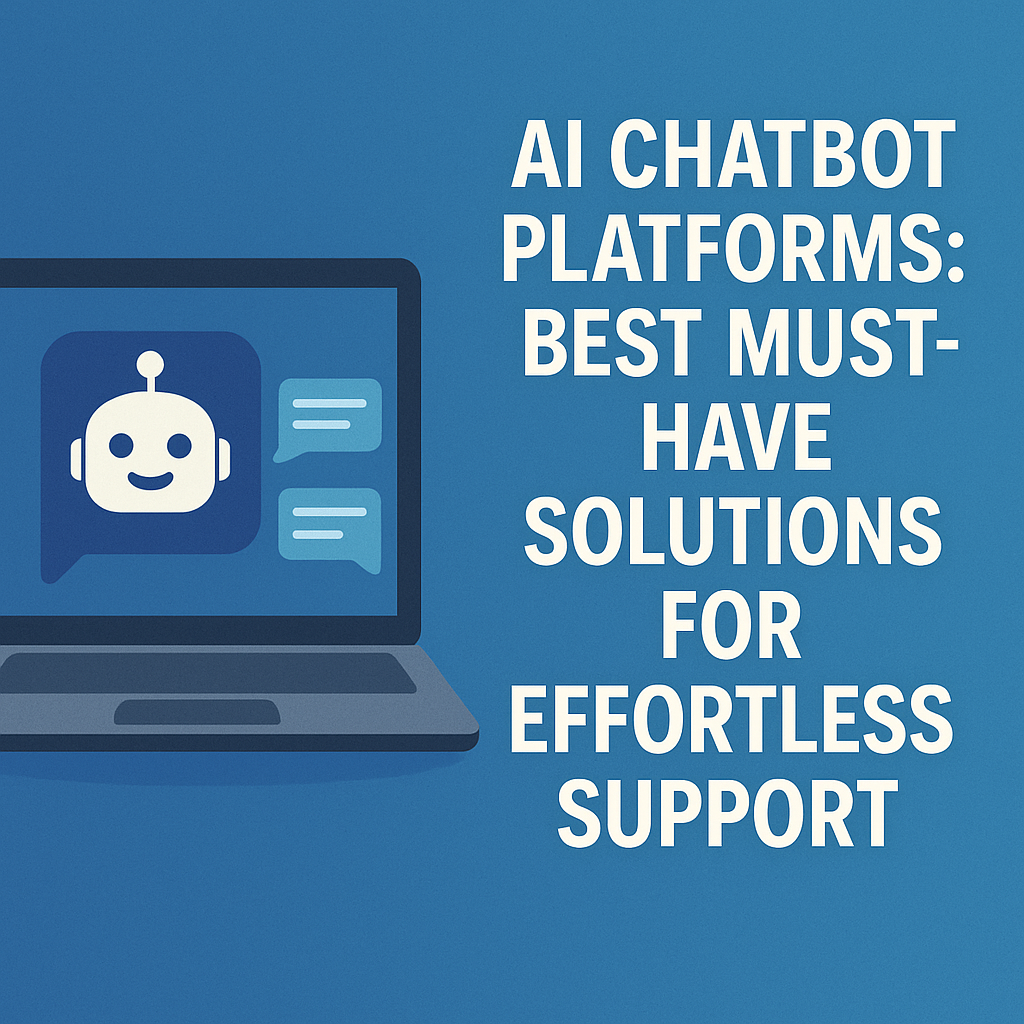
AI Chatbot Platforms: Best Must-Have Solutions for Effortless Support
ai chatbot platforms have become one of the smartest investments for businesses that want to deliver fast, consistent, and scalable customer support. Whether a company serves a few hundred customers or millions of users worldwide, chatbots can reduce response times, answer common questions instantly, and free up human agents to focus on complex issues that truly need personal attention.
Today’s customers expect support to be available around the clock. They do not want to wait in long queues for simple answers about pricing, returns, delivery status, account access, or troubleshooting steps. This is where AI-powered chatbot tools shine. They help businesses stay responsive without dramatically increasing support costs, while also improving the overall customer experience.
Why AI Chatbot Platforms Matter for Modern Support
Customer expectations have changed. People now want immediate, helpful interactions across websites, mobile apps, social media, and messaging channels. Businesses that cannot meet these expectations risk losing trust and loyalty.
This is why ai chatbot platforms are becoming essential rather than optional. These systems can:
– Provide 24/7 support
– Handle repetitive questions automatically
– Route complex cases to live agents
– Personalize responses based on user data
– Support multiple languages
– Improve team efficiency and reduce costs
Instead of replacing support teams, chatbots work best as a powerful first line of assistance. They can resolve routine requests instantly and gather useful context before handing a conversation to a human representative. This creates a smoother and faster experience for both customers and support teams.
Key Features to Look For
Not all chatbot solutions offer the same level of intelligence or flexibility. Choosing the right one means looking beyond basic automated replies. The most effective options typically include several important features.
Natural Language Understanding
A strong platform should understand how real people speak, not just exact keywords. Customers often ask the same question in many different ways, so the chatbot needs to interpret intent accurately and respond naturally.
Omnichannel Support
Modern businesses communicate on websites, apps, WhatsApp, Facebook Messenger, Instagram, Slack, and more. A good chatbot platform should connect across multiple channels so customers can get help wherever they are.
Human Handoff
Some issues cannot be fully solved by automation. In those moments, the chatbot should smoothly transfer the conversation to a live agent without forcing the customer to repeat everything from scratch.
Integrations With Business Tools
The best chatbot systems work well with CRMs, help desks, e-commerce platforms, and knowledge bases. This allows the bot to pull order details, update tickets, retrieve customer history, and offer more relevant answers.
Analytics and Reporting
Businesses need insight into what users are asking, where bots succeed, and where they struggle. Reporting tools help teams refine conversation flows and improve support performance over time.
Customization and Branding
A chatbot should feel like part of the brand experience. The ability to customize tone, style, greetings, and workflows helps create a more professional and consistent customer journey.
Best Use Cases for AI Chatbot Platforms
AI chatbots are versatile tools that can support many parts of the customer journey. Their value goes far beyond answering simple FAQs.
Customer Service
This is the most common use case. Chatbots can answer questions about products, policies, billing, account settings, shipping, refunds, and technical issues in real time.
Lead Generation
A chatbot can welcome visitors, ask qualifying questions, recommend services, and collect contact details for the sales team. This turns passive website traffic into active opportunities.
E-commerce Assistance
Online stores can use chatbots to guide shoppers to the right products, provide order updates, suggest related items, and reduce cart abandonment.
Internal Employee Support
Businesses also use chatbot systems internally to help employees with HR questions, onboarding, IT support, and company policy information.
Appointment Booking and Scheduling
Service-based businesses can automate bookings, reminders, cancellations, and follow-up messages, reducing manual administrative work.
Benefits Businesses Can Expect
When implemented thoughtfully, chatbot platforms can create measurable improvements across support operations.
One major advantage is speed. Customers get answers immediately instead of waiting for an agent to become available. This can significantly improve satisfaction levels, especially for simple and urgent requests.
Another benefit is scalability. During peak periods, such as holidays or major product launches, support teams often struggle with volume. Chatbots can handle thousands of conversations at once, making it easier to maintain service quality.
Cost efficiency is also a major factor. By automating common inquiries, businesses can reduce the pressure on support teams and use human resources more strategically. This does not mean removing the human element. It means using automation where it makes the most sense.
Consistency matters too. Human agents may vary in how they respond, especially across large teams. Chatbots provide standardized information, which helps reduce confusion and improve reliability.
Finally, chatbots generate valuable data. Businesses can see recurring pain points, popular questions, and customer behavior trends, which can inform both support strategy and broader business decisions.
How to Choose the Right AI Chatbot Platforms
The right platform depends on business size, goals, customer expectations, and technical requirements. A startup may prioritize affordability and ease of use, while an enterprise may need advanced integrations, compliance features, and multilingual capabilities.
When evaluating options, consider the following questions:
– What support channels do your customers use most?
– Do you need a no-code builder or advanced developer tools?
– How important are CRM and help desk integrations?
– Will the chatbot need to support multiple languages?
– How often will human agents need to step in?
– What reporting and optimization features are available?
– Can the solution grow with your business?
It is also wise to test the chatbot experience from the customer’s perspective. A platform may look impressive in a demo, but the real test is whether it feels intuitive, fast, and helpful in live conversations.
Common Mistakes to Avoid
Some businesses expect instant results from chatbot implementation, but success requires planning. One common mistake is trying to automate too much too quickly. If the bot handles complex requests poorly, customers may become frustrated.
Another issue is weak conversation design. A chatbot should not sound robotic, confusing, or overly restrictive. Clear prompts, logical flows, and a natural tone make a huge difference.
Ignoring escalation paths is another risk. Customers should always have a clear way to reach a human agent when needed. Automation should simplify support, not block it.
Lastly, businesses should regularly review chatbot performance. AI tools improve when teams refine responses, update knowledge bases, and analyze real interactions.
The Future of Support Is Smarter and More Efficient
Customer support is no longer just about answering questions. It is about delivering fast, seamless, and personalized experiences at scale. AI-powered chatbot tools help businesses meet these demands while reducing friction for both customers and employees.
As technology continues to improve, chatbot platforms are becoming more conversational, more accurate, and more deeply integrated with the systems businesses already use. Companies that adopt them strategically can improve response times, increase satisfaction, and create a more efficient support model overall.
For any business looking to provide effortless service without sacrificing quality, investing in the right chatbot solution is a practical step toward smarter support.